- Your source for stall mats, rubber arena footing, arena harrows and arena dust control.
Introduction
Horse care is deeply rooted in tradition. Many long-standing practices have been passed down through generations of riders, trainers, and breeders—often accepted as truth without question. But as veterinary science and equine research evolve, some of these customs are being re-examined. While certain traditions still prove beneficial, others no longer align with modern understanding of horse health, welfare, and performance. It’s time to put tradition under the microscope and ask: which horse practices still hold up today?
What Are Traditional Horse Practices?
Traditional horse practices refer to long-established methods of care, training, and management that developed before modern veterinary science and equine research. These include:
Stable management routines
Training techniques
Feeding traditions
Health and grooming practices
Breeding beliefs
Some of these practices were based on observation and experience, while others were rooted in myths, cultural beliefs, or limited scientific knowledge.
Traditional Practices That Still Hold Up
1. Regular Grooming
Daily grooming remains one of the most valuable traditional practices. It:
Improves circulation
Supports skin health
Strengthens the human-horse bond
Allows early detection of injuries or illness
This tradition is fully supported by modern veterinary and welfare science.
2. Gradual Training and Conditioning
The old belief in “slow and steady” training still stands strong. Progressive conditioning:
Prevents joint and tendon injuries
Builds muscle safely
Supports long-term soundness
Improves mental well-being
Modern sports medicine confirms that gradual conditioning is essential for performance and longevity.
3. Turnout and Natural Movement
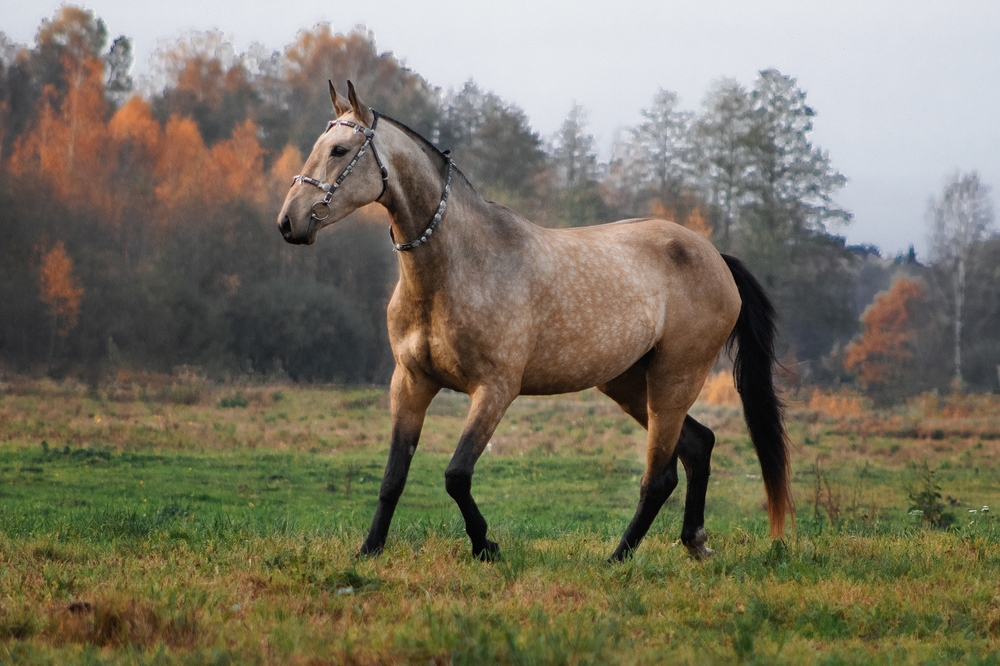
Traditional pasture turnout remains one of the healthiest management practices. Benefits include:
Natural joint movement
Mental stimulation
Reduced stress behaviors
Digestive health support
Horses evolved as grazing animals, and this tradition aligns perfectly with biological needs.
Traditional Practices That No Longer Hold Up
1. “No Water for Hot Horses”
The old belief that hot horses should not drink water has been disproven. Science shows:
Dehydration increases risk of colic and heat stress
Small, frequent drinks are safe
Cooling with water supports recovery
Modern hydration science contradicts this harmful tradition.
2. Overuse of Harsh Training Tools
Practices involving excessive force, severe bits, or dominance-based training are now questioned. Research shows:
Stress reduces learning ability
Fear-based training harms welfare
Positive reinforcement improves performance and trust
Modern training emphasizes humane, evidence-based methods.
3. Blanket Overdependence
Traditionally, blanketing was seen as necessary in most cold conditions. Today we know:
Healthy horses regulate body temperature naturally
Over-blanketing can cause overheating
Blankets should be situational, not automatic
Tradition vs. Science: A Comparison
| Practice | Traditional Belief | Modern Scientific View |
|---|---|---|
| No water after work | Causes colic | Hydration prevents health risks |
| Harsh training tools | Builds discipline | Increases stress and fear |
| Constant stabling | Keeps horses safe | Increases behavioral issues |
| Turnout | Risky for injury | Essential for welfare |
| Slow conditioning | Builds strength | Scientifically supported |
Why Re-Evaluating Tradition Matters
Horse welfare: Outdated practices can cause unnecessary suffering
Performance: Evidence-based care improves results
Longevity: Healthier practices extend working life
Ethical responsibility: Modern owners must prioritize welfare over habit
Education: Science helps refine, not erase, good traditions
Practical Approach for Horse Owners
Blend tradition with science
Consult veterinarians and equine professionals
Stay informed on current research
Question practices that rely on “that’s how it’s always been done”
Adopt welfare-centered care models
Conclusion
Tradition plays an important role in equestrian culture, but not all traditions deserve blind loyalty. Some long-standing practices—like grooming, gradual conditioning, and turnout—remain scientifically sound and deeply beneficial. Others, however, have been disproven and replaced by safer, more humane, evidence-based methods. The future of horse care lies not in abandoning tradition entirely, but in refining it—keeping what works, discarding what harms, and always placing the horse’s health and welfare first.