
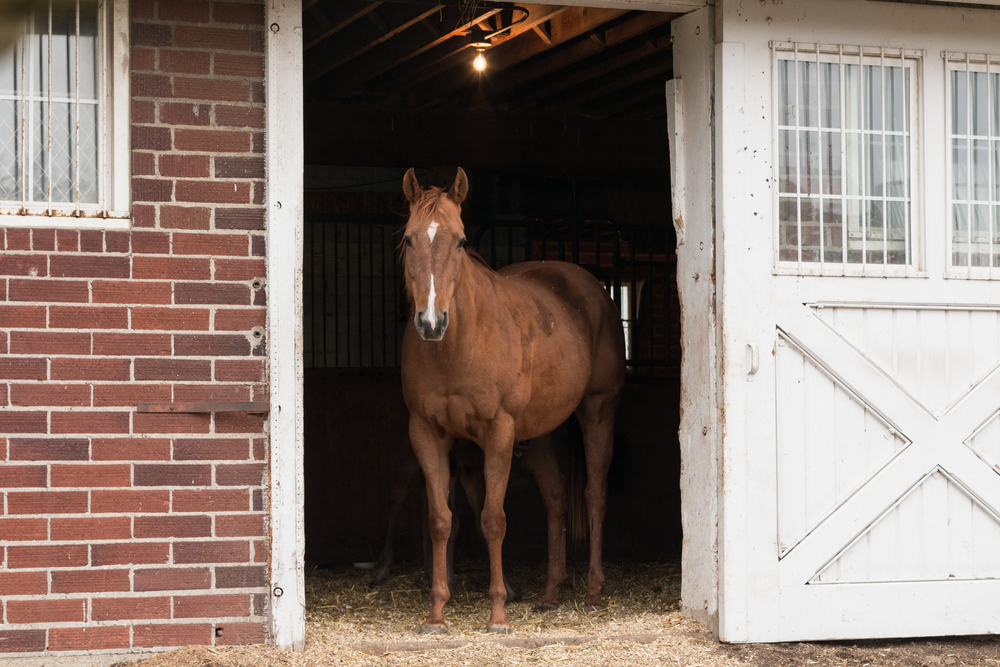
A future-ready horse barn is not defined by expensive sensors or a dramatic architectural concept. It is a facility that keeps horses safe, dry, well-ventilated, and easy to monitor while making routine work more efficient. The best upgrades usually solve ordinary problems first: standing water, dusty air, slippery floors, poor storage, difficult manure flow, and stalls that are hard to clean.
What makes a barn sustainable and welfare-first?
For a horse facility, sustainability means reducing wasted water, energy, bedding, materials, and labor without compromising horse care. A welfare-first design supports normal behavior, comfortable rest, reliable access to food and water, safe movement, and rapid observation when something changes.
Those goals overlap. A well-drained wash area reduces mud and water waste. Good airflow reduces dust and moisture. Durable, repairable surfaces can cost less over the life of the barn than repeated patching. For a practical lower-waste stable-design checklist, see our guide to sustainable horse stable design. Technology can help, but it should support attentive stockmanship rather than replace it.
Start with the site, drainage, and traffic flow
Before choosing smart equipment, map how horses, people, vehicles, feed, bedding, manure, and emergency responders move through the property. Keep feed and clean water supplies separate from manure handling. Provide a safe route from stalls to turnout and avoid forcing horses through blind corners, narrow pinch points, or slippery transitions.
Drainage is foundational. Roof runoff should be directed away from foundations, stall entrances, and high-traffic areas. Low spots around gates and waterers deserve special attention because they quickly become muddy, contaminated, and difficult to maintain. Grade and surface choices should be planned together; a drainage problem cannot be solved reliably by adding bedding on top of it.
Ventilation, light, and indoor air quality
Fresh air matters in every season. Design for high and low openings that encourage air exchange without creating a direct draft on a resting horse. Keep hay, bedding, and sweeping activity from unnecessarily loading the breathing zone with dust. Store dusty materials away from occupied stalls when possible, and use low-dust handling and cleaning practices.
Natural light can improve visibility and reduce dependence on electric lighting, but windows and skylights must be protected from breakage and excessive heat. Use task lighting where people inspect hooves, administer care, clean stalls, or load horses. Any automated ventilation or climate-control system should have a manual fallback and an alert plan for power or equipment failure.
Flooring and stall surfaces: safety before gadgets
Every occupied area needs a surface appropriate to its job. Stall floors should be level enough to clean, provide dependable traction, and shed urine and wash water instead of trapping moisture. A rubber stall mat can improve comfort and reduce bedding waste, but it is not a substitute for a sound, properly prepared subfloor. Mats must lie flat, fit tightly, and be cleaned and dried so moisture does not remain underneath.
For stall-mat selection, compare thickness, underside texture, seam layout, weight, drainage conditions, and the ability to remove or replace sections. For a detailed thickness comparison, see this horse stall mat thickness guide. A contextual option is Treadall horse stall mats; treat the product page as one comparison point, not as a replacement for measuring the stall and correcting drainage.
Use different traction and maintenance criteria in aisles, wash racks, ramps, and turnout gates. A surface that is comfortable in a stall may not be the right choice where water, manure, or ice is present. Inspect transitions regularly for curled edges, gaps, loose fasteners, and sudden changes in footing.
Water, feeding, and manure systems
Automatic equipment is useful only when it is dependable and checked. Every horse still needs a practical daily inspection of water intake, appetite, manure, and behavior. Protect pipes from freezing and chewing, provide a backup plan during outages, and make it easy to isolate a failed valve or feeder.
Feed rooms should be dry, secure, well organized, and protected from rodents. Keep concentrates and supplements clearly labeled, and do not let an app or automated feeder become the only record of what a horse received. Plan manure movement from stall to storage or composting area so wheelbarrows and equipment do not cross clean traffic unnecessarily.
Where smart barn technology helps
- Alerts: temperature, humidity, power, water-flow, or gate notifications can shorten response time.
- Records: digital logs can track medications, farrier visits, vaccinations, cleaning, and maintenance.
- Observation: cameras may help monitor foaling, recovery, or a horse that needs closer supervision.
- Efficiency: timers, occupancy controls, and leak detection can reduce wasted electricity and water.
Choose systems with clear ownership, serviceable parts, readable alerts, and a manual backup. A reliable checklist and a person who responds are more valuable than a complicated dashboard nobody reviews.
A practical upgrade sequence
- Correct drainage, standing water, and dangerous footing.
- Improve ventilation, dust control, lighting, and fire access.
- Organize feed, bedding, tools, medication, and manure routes.
- Upgrade stalls and high-wear surfaces based on actual cleaning and moisture conditions.
- Add monitoring or automation to a problem that is already understood and measured.
- Write outage, fire, severe-weather, and horse-evacuation procedures; practice them.
Questions to ask before building or remodeling
Ask how the design will work on the worst weather day, during a power outage, when a horse is injured, and when two people need to move equipment at once. Ask where water goes after cleaning, how a replacement part will be obtained, and whether a person can still operate every critical system manually. Include your veterinarian, farrier, experienced barn staff, and local code or fire-safety requirements early.
FAQ
What is the most important feature in a modern horse barn?
Reliable ventilation, drainage, safe traction, and easy daily observation matter more than connected devices. Fix the physical environment first.
Are rubber mats sustainable for horse stalls?
They can reduce bedding use and improve comfort when correctly installed and maintained. Sustainability depends on product life, fit, cleaning, subfloor drainage, and eventual replacement or disposal.
Do smart sensors replace checking horses?
No. Sensors can provide useful alerts, but direct observation remains essential for appetite, manure, lameness, wounds, respiratory signs, and behavior.
How can a small barn become more future-ready?
Begin with low-cost changes: repair drainage, improve airflow, label storage, standardize checklists, secure electrical equipment, and remove trip hazards. Add technology only where it solves a measured problem.
Related horse-facility guides
- Architecture for Horses: Designing Safe, Healthy Facilities
- How to Improve Horse Barn Air Quality
- How Surface Type Affects Equine Biomechanics and Injury Risk
- Track Systems vs. Traditional Turnout
Sources: Penn State Extension horse-facility resources; AAEP horse-health resources.

Written by
Phoebe writes about horse care, health, and behavior for Equestrian Space, blending hands-on stable experience with up-to-date veterinary guidance.
What a delightful little gem I found here! It genuinely feels like stepping into a friendly neighborhood where everyone is happy to see you. The games spark joy and the whole platform just radiates positive energy. I am so glad I stopped by! xp88game