- Your source for stall mats, rubber arena footing, arena harrows and arena dust control.
Introduction
Urban equestrianism is emerging as a unique and fascinating intersection between traditional horsemanship and modern city life. Once thought of as a rural or countryside activity, horse riding, training, and ownership are now finding a place in bustling urban centers worldwide. From mounted police units to community riding schools, therapeutic programs, and recreational clubs, horses are proving to be adaptable companions in diverse and crowded environments. This trend highlights the growing appreciation for equine culture and its benefits—even in concrete landscapes.
What Is Urban Equestrianism?
Urban equestrianism refers to the integration of horses into city settings for work, sport, recreation, and therapy. This can take various forms, such as:
Mounted police patrols for law enforcement and crowd control
Public riding schools and equestrian centers within city limits
Therapeutic riding programs for individuals with disabilities or emotional challenges
Recreational and competitive riding clubs in urban or suburban areas
These programs often adapt facilities and routines to meet the needs of horses in more confined, non-traditional spaces.
How Horses Thrive in City Environments
Work and Public Service
Horses remain valuable in certain public service roles, especially in mounted police units. Their visibility and calm demeanor can deter crime, improve crowd management, and foster positive community interactions.Example:
Role Benefit in Urban Areas Special Considerations Mounted Police High visibility, crowd control, approachability Requires daily exercise, stabling close to patrol areas Tourism Carriages Cultural heritage, sightseeing attraction Ethical care standards, regulated workloads Urban Agriculture & Hauling Eco-friendly transport in some cities Limited to areas with proper infrastructure Therapeutic and Educational Programs
Urban equestrian centers often offer therapeutic riding for people with physical, emotional, or cognitive challenges. These sessions provide not only physical benefits—like improved posture and coordination—but also emotional growth through human–animal bonding.Recreational and Competitive Riding
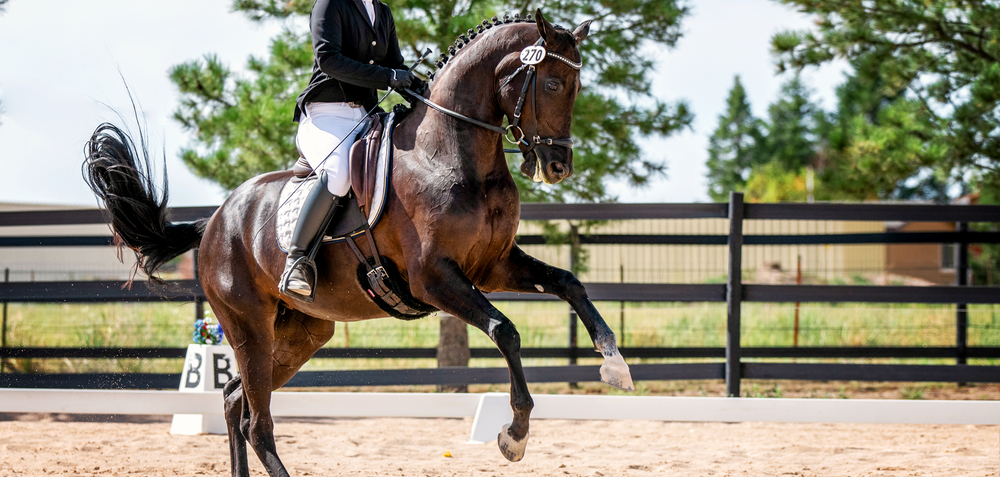
From dressage arenas in renovated warehouses to riding clubs near city parks, urban riders are finding ways to train and compete without leaving city boundaries. These facilities maximize vertical space, incorporate modern ventilation systems, and create turnout schedules that mimic rural conditions.Cultural and Historical Significance
Some cities preserve equestrian traditions through festivals, parades, and heritage rides, keeping horse culture alive in the public consciousness.
Benefits of Urban Equestrianism
Accessibility: Makes riding and equine care available to people without rural access.
Community Engagement: Horses draw public interest, creating opportunities for education and outreach.
Therapeutic Impact: Offers physical, mental, and emotional benefits to participants.
Sustainable Practices: Mounted patrols and low-emission horse-drawn transport contribute to eco-friendly initiatives.
Limitations and Challenges
Space Constraints: Stables, arenas, and turnout areas must be carefully designed to meet horses’ welfare needs.
Urban Stressors: Noise, traffic, and pollution require horses with calm temperaments and specialized training.
Public Perception: Balancing the romantic appeal of urban horses with ethical considerations and welfare standards is crucial.
Costs: Land and maintenance in cities are significantly more expensive than in rural areas.
Practical Considerations
When to Introduce Horses into City Spaces
When there is clear community demand and infrastructure in place
For programs with defined welfare protocols and ethical guidelines
In cities with cultural traditions linked to equestrian activities
Choosing a Facility or Program
Look for accredited urban riding schools or organizations with experienced staff
Check for proper stable ventilation, turnout schedules, and access to veterinary care
Evaluate how the program addresses noise, traffic, and other urban stress factors
Training Horses for City Life
Gradual exposure to urban environments
Desensitization to crowds, vehicles, and loud noises
Consistent exercise and enrichment to maintain physical and mental health
Conclusion
Urban equestrianism demonstrates the remarkable adaptability of both horses and humans. By thoughtfully integrating horses into city life, we can preserve equestrian traditions, enhance community programs, and provide therapeutic opportunities for urban populations. While challenges exist—particularly regarding space, welfare, and cost—innovative facility designs and ethical management practices make it possible for horses to thrive alongside skyscrapers and busy streets. This growing trend reflects a broader movement toward reconnecting with nature, even in the most metropolitan of settings.