- Your source for stall mats, rubber arena footing, arena harrows and arena dust control.
The Hidden Costs of Horse Rescue and Rehabilitation
Introduction
Rescuing and rehabilitating horses is often seen as an act of compassion and commitment to animal welfare. While it brings hope and second chances to neglected or abused animals, the reality is that horse rescue involves far more than providing food and shelter. From medical expenses to behavioral retraining and long-term care, the hidden costs of horse rescue and rehabilitation can quickly add up, challenging even the most dedicated individuals and organizations.
What Is Horse Rescue and Rehabilitation?
Horse rescue involves taking in neglected, abused, abandoned, or unwanted horses with the goal of restoring their health and preparing them for adoption or lifelong sanctuary. Rehabilitation extends beyond physical recovery and often requires:
Veterinary treatment for injuries, malnutrition, or chronic illness
Specialized feeding programs to restore weight and health
Training and behavioral work to overcome trauma or lack of handling
Emotional care to rebuild trust in humans
While the mission is noble, the financial, emotional, and logistical demands are significant.
The Hidden Costs of Rescue
1. Veterinary and Medical Care
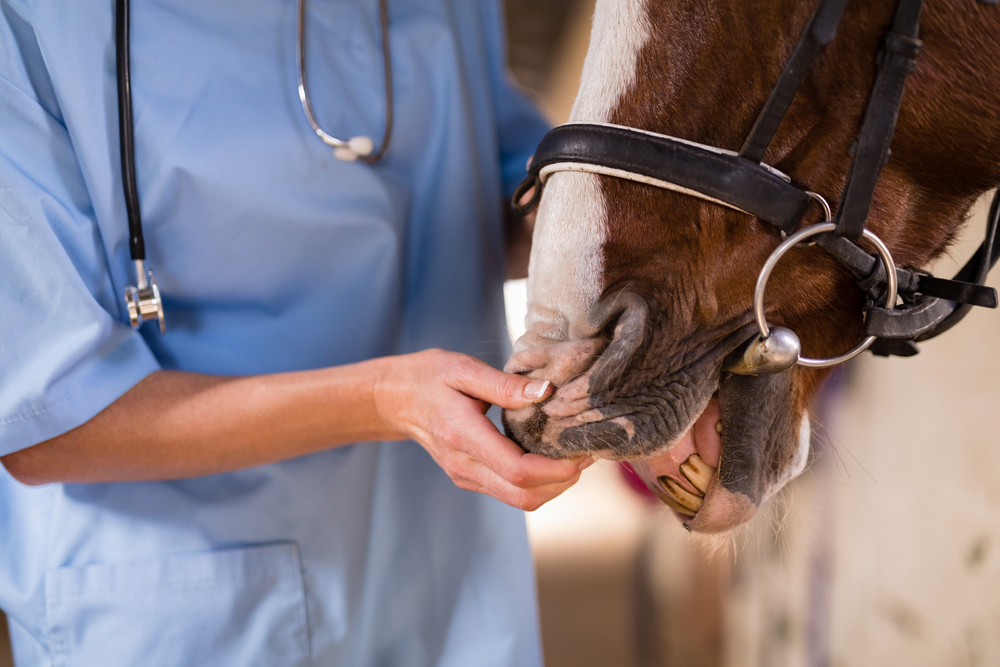
Rescued horses often arrive with untreated wounds, parasites, lameness, or severe dental problems. Emergency surgeries, vaccinations, and long-term medications are common expenses.
Example costs:
Dental floating: ₱5,000–₱10,000
X-rays and diagnostics: ₱10,000–₱20,000
Long-term medications for chronic conditions: Ongoing monthly costs
2. Nutrition and Specialized Feeding
Malnourished horses cannot simply be given unlimited feed; they require carefully balanced diets to avoid refeeding syndrome. High-quality hay, supplements, and grain can be costly, especially when multiple rescue horses are involved.
3. Training and Behavioral Rehabilitation
Many rescued horses lack proper handling or have developed dangerous behaviors due to abuse. Professional trainers may be needed to ensure the horse becomes adoptable, adding further financial and time investments.
4. Facility and Shelter Maintenance
Safe fencing, shelters, and adequate pasture space are essential. Repairs and upgrades—such as stalls, quarantine areas, or paddocks—add to ongoing costs.
5. Farrier and Dental Work
Regular hoof trimming (every 6–8 weeks) and dental care are non-negotiable for equine health. Neglect in these areas can lead to lameness or difficulty eating.
6. Administrative and Legal Costs
Many rescues face legal battles over ownership, transport fees, and compliance with animal welfare regulations. Nonprofits must also cover insurance, staff wages, and operational expenses.
Beyond the Financial Costs
While money is a significant factor, the hidden costs of horse rescue also include emotional and physical demands. Caregivers often experience compassion fatigue, burnout, and the weight of making difficult decisions, such as when a horse’s suffering outweighs the possibility of recovery.
Benefits of Rehabilitation
Despite these challenges, the rewards of rescue are immeasurable. Rehabilitation allows horses to live free from pain and fear, often finding loving forever homes. Rescued horses can thrive as companions, therapy animals, or even light riding horses. For many, the joy of seeing a once-neglected animal flourish makes the investment worthwhile.
Limitations and Realities
Not all rescued horses can be fully rehabilitated. Some may remain unrideable due to permanent injuries.
Adoption rates vary, and many rescues must commit to lifelong sanctuary for horses that cannot be placed.
Funding often depends on donations and volunteers, making sustainability a constant challenge.
Practical Considerations
When to Consider Rescue
If you have the financial stability, time, and knowledge to commit to long-term care.
When working in partnership with reputable rescue organizations.
If you are prepared for both emotional and financial challenges.
Choosing a Rescue Organization
Verify nonprofit status and transparency in operations.
Ensure horses receive proper veterinary care and rehabilitation programs.
Support rescues with clear adoption processes and follow-up care.
Conclusion
The hidden costs of horse rescue and rehabilitation go far beyond the initial act of saving a life. From medical expenses to emotional labor, rescuers face immense challenges in giving horses a second chance. Yet, with the right resources, community support, and dedication, horse rescue remains a vital part of equine welfare—transforming lives, one horse at a time.