

- Your source for stall mats, rubber arena footing, arena harrows and arena dust control.
Introduction
A horse’s mouth is more than just the starting point of digestion—it plays a crucial role in comfort, posture, movement, and overall health. Proper alignment of the teeth and jaw directly influences how a horse chews, carries its head, balances its body, and responds to the rider. When oral health problems develop, they can quietly affect performance, behavior, and physical well-being. Understanding the connection between oral health and the whole horse helps owners maintain soundness, comfort, and peak performance.
Understanding the Equine Mouth and Jaw
Horses have a unique dental structure designed for continuous grazing. Their teeth grow and wear throughout most of their lives, requiring proper alignment and natural wear patterns.
Key components include:
Incisors – Front teeth used to grasp and cut forage.
Premolars and Molars – Back teeth responsible for grinding feed into digestible particles.
Jaw Joint (Temporomandibular Joint or TMJ) – Connects the jaw to the skull and allows chewing motion.
Tongue, cheeks, and soft tissues – Help position food during chewing.
Because horses chew in a circular grinding motion, even small imbalances in tooth wear can affect jaw movement and comfort.
How Oral Health Affects the Whole Horse
1. Chewing Efficiency and Nutrition
Properly aligned teeth allow horses to grind feed thoroughly, which is essential for digestion and nutrient absorption.
When dental problems occur:
Food is poorly chewed
Nutrient absorption decreases
Weight loss or poor body condition may develop
Undigested feed may appear in manure
Good oral health ensures the horse receives full nutritional benefit from its diet.
2. Jaw Function and Musculoskeletal Balance
The jaw plays a critical role in the horse’s overall posture and musculoskeletal alignment.
Dental imbalances can cause:
Uneven jaw pressure
Muscle tension in the head, neck, and back
Restricted jaw movement
Compensatory posture changes
These changes can affect the horse’s balance and overall comfort.
3. Performance and Rideability
A horse’s mouth directly affects its response to the bit and rider cues.
Dental discomfort may lead to:
Resistance to the bit
Head tossing or tilting
Difficulty bending or flexing
Poor collection and engagement
Reduced performance
Comfortable oral structures allow clearer communication between horse and rider.
4. Behavioral Changes
Oral pain can significantly influence behavior.
Signs of dental discomfort include:
Quidding (dropping partially chewed feed)
Excessive salivation
Head shaking
Reluctance to accept the bit
Irritability during riding or handling
Behavioral changes are often early indicators of dental issues.
5. Balance and Whole-Body Coordination
The horse’s jaw, head, and neck are closely connected to balance and movement.
Dental imbalance may cause:
Uneven muscle development
Altered head carriage
Reduced coordination
Increased risk of strain or injury
Proper dental alignment supports natural posture and fluid movement.
Common Equine Dental Problems
Sharp Enamel Points

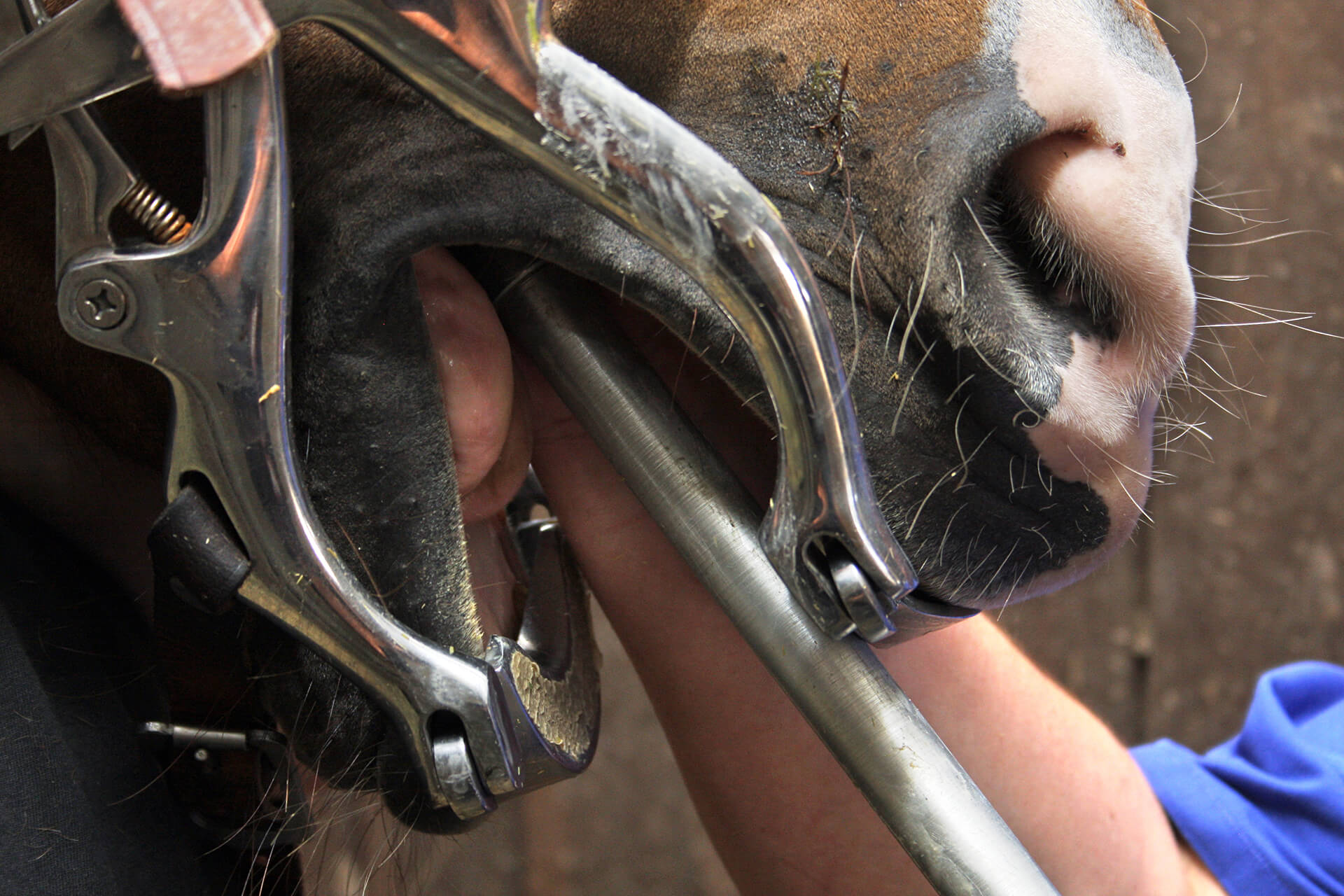
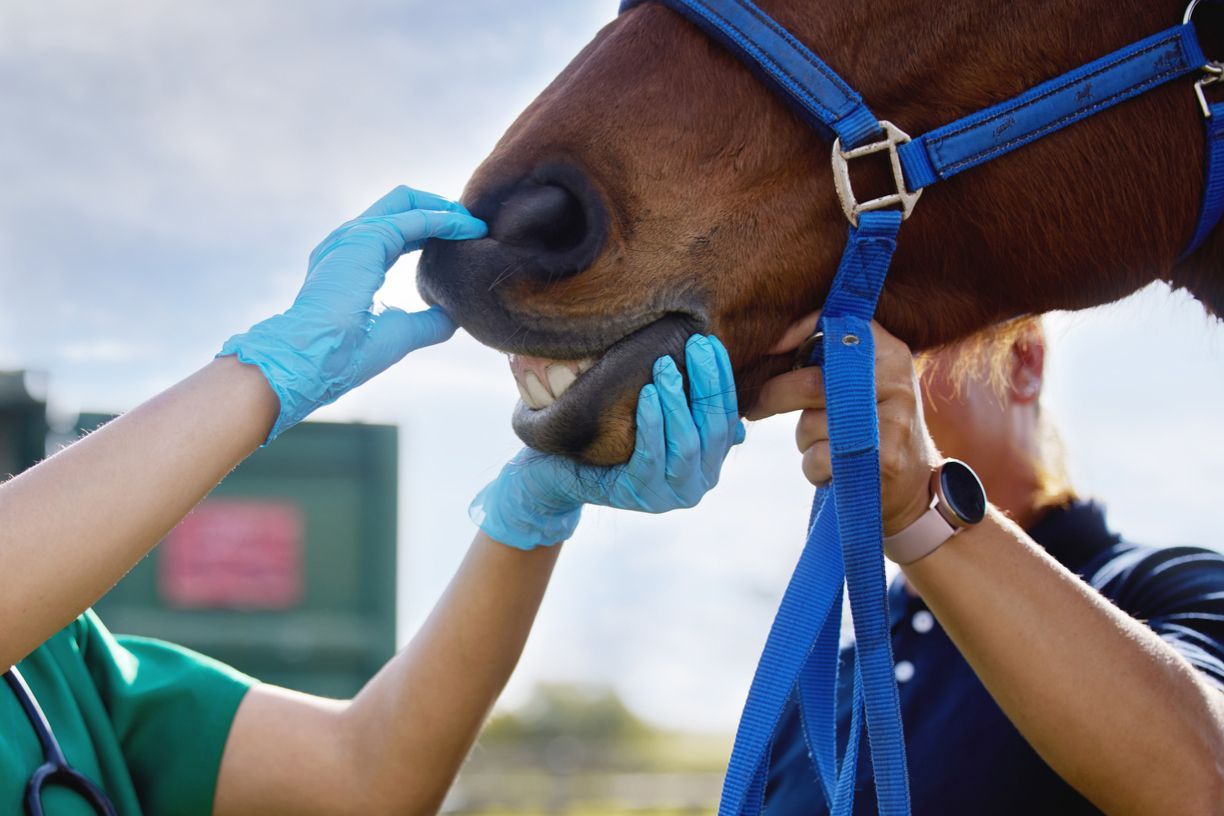
Sharp edges develop as teeth wear unevenly and can cut the cheeks or tongue.
Effects include:
Oral pain
Difficulty chewing
Resistance to the bit
Hooks, Ramps, and Wave Mouth


These alignment problems interfere with normal jaw motion.
Consequences include:
Limited jaw movement
Muscle tension
Poor chewing efficiency
Uneven Wear and Malocclusion
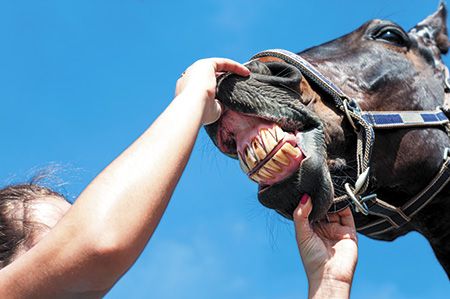

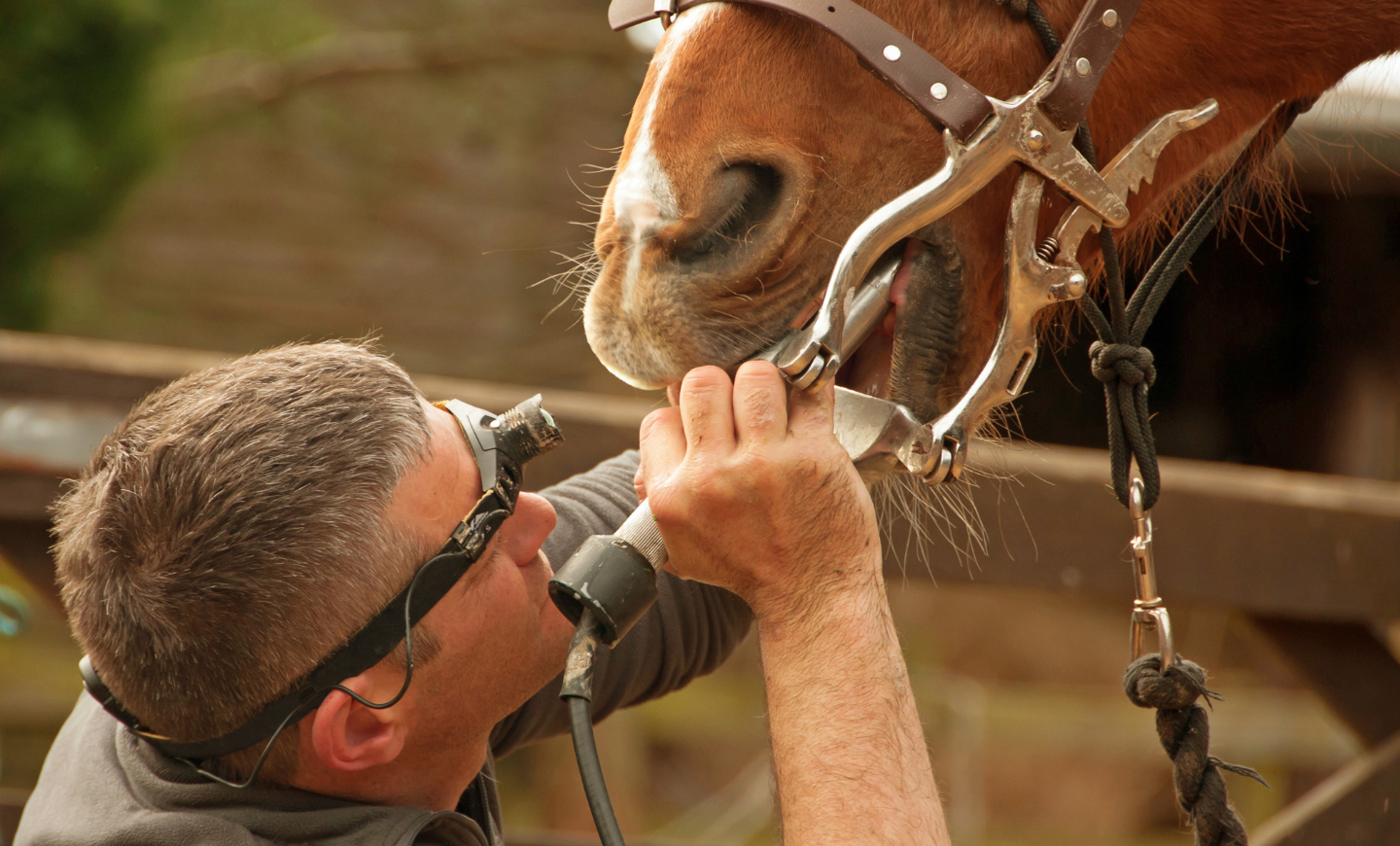
Improper alignment affects chewing, comfort, and balance.
This may lead to:
Chronic discomfort
Postural changes
Reduced performance
Benefits of Proper Dental Care
Improved digestion and nutrition
Horses can chew efficiently and absorb nutrients properly.
Enhanced comfort and performance
Balanced teeth allow smoother jaw movement and better response to rider cues.
Better posture and balance
Proper jaw alignment supports healthy musculoskeletal function.
Reduced behavioral problems
Eliminating dental pain improves temperament and cooperation.
Prevention of long-term health issues
Routine care prevents more serious complications.
Practical Dental Care Considerations
How Often Should Dental Exams Be Done?
General guidelines:
Young horses (2–5 years): Every 6–12 months
Adult horses (5–15 years): Every 12 months
Senior horses (15+ years): Every 6–12 months
Frequency may vary based on individual needs.
Signs Your Horse May Need Dental Attention
Watch for:
Weight loss
Dropping feed
Bad breath
Head tossing
Resistance to the bit
Poor performance
Facial swelling
Early detection prevents more serious problems.
Professional Dental Care
Routine dental care includes:
Oral examination
Floating (smoothing sharp points)
Checking jaw alignment
Evaluating overall oral health
Only trained veterinarians or qualified equine dental professionals should perform dental procedures.
Conclusion
Oral health plays a vital role in the horse’s overall well-being, influencing digestion, comfort, balance, posture, and performance. Even small dental imbalances can affect the jaw, muscles, and coordination of the entire body. Regular dental care ensures proper chewing, reduces pain, improves rideability, and supports long-term health. By maintaining healthy teeth and jaw alignment, owners help their horses move comfortably, perform effectively, and live healthier, more balanced lives.