- Your source for stall mats, rubber arena footing, arena harrows and arena dust control.
Introduction
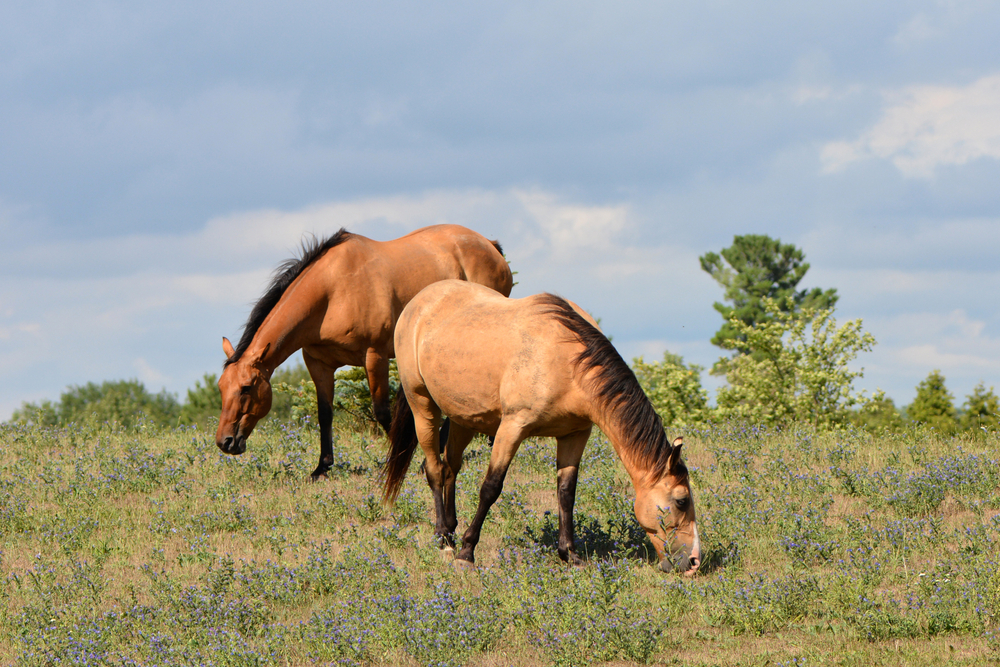
Regenerative grazing is gaining attention as a sustainable land-management practice that restores soil health, increases biodiversity, and supports resilient ecosystems. While cattle are commonly associated with regenerative systems, horse owners are beginning to ask an important question: Can horses also help heal the land? With intentional management, the answer is yes. Horses can play a meaningful role in regenerating pastures, building healthier soils, and improving overall landscape function.
What Is Regenerative Grazing?
Regenerative grazing is a land-stewardship approach that mimics natural grazing patterns. Instead of allowing animals to graze continuously in one area, regenerative systems rely on:
Rotational or managed grazing
Adequate rest periods for pasture recovery
Strategic movement of livestock
Observation of soil and plant conditions
The goal is not just to feed animals—it’s to improve the long-term health of the land.
How Horses Fit Into Regenerative Systems
Horses interact with the land differently than cattle or sheep. When managed well, these differences can be used to benefit the ecosystem. Regenerative grazing with horses can influence:
Soil structure
Plant diversity
Nutrient cycling
Habitat restoration
Below are key ways horses can contribute to healing the land.
1. Improving Soil Health
Horses naturally aerate the soil with their hooves. This light disturbance helps:
Break up compacted areas
Increase water infiltration
Encourage root growth
When combined with rotational grazing, these impacts promote healthier soils capable of storing more carbon and retaining moisture more effectively.
| Soil Benefit | How Horses Help |
|---|---|
| Improved aeration | Hoof action creates small openings in the soil |
| Better water absorption | Disturbed soil structure reduces runoff |
| Enhanced microbial activity | More oxygen and plant matter stimulate soil microbes |
2. Supporting Plant Diversity
Horses are selective grazers. They nibble certain plants while leaving others to grow taller. In a regenerative system, this grazing pattern can help:
Prevent dominance of a single species
Encourage a variety of grasses and forbs
Promote a more resilient plant ecosystem
Greater plant diversity improves forage quality and provides habitat for beneficial insects and wildlife.
3. Enhancing Nutrient Cycling
Horse manure is rich in organic matter and nutrients essential for plant growth. When distributed across the pasture through planned movement, manure:
Builds fertile soil
Feeds microorganisms
Supports new plant growth
However, continuous grazing leads to manure buildup in certain areas. Regenerative grazing prevents this by encouraging even nutrient distribution.
4. Reducing Overgrazing and Land Degradation
Left unmanaged, horses can overgraze pastures due to their strong grazing instincts. Regenerative systems reduce this risk by:
Rotating horses before plants are grazed too low
Allowing sufficient rest and regrowth
Monitoring forage height and soil condition
This prevents bare patches, erosion, and weed dominance—all common issues in unmanaged horse pastures.
Benefits of Regenerative Grazing With Horses
Practicing regenerative grazing offers multiple long-term advantages:
Environmental Benefits:
Healthy soils, better water retention, reduced erosion, and increased biodiversity.
Animal Benefits:
Access to fresh forage, improved hoof and gut health, lower stress, and more natural movement.
Landowner Benefits:
Lower feed costs, healthier pasture systems, improved property value, and more sustainable land use.
Limitations and Considerations
While horses can support regenerative systems, there are important limitations:
Horses can compact soil if pastures are overstocked.
Their selective grazing can lead to weed issues without proper rotation.
Regenerative management requires time, observation, and flexible planning.
Some areas may need cross-fencing or water system adjustments.
Regenerative grazing is not a quick fix—it’s a long-term commitment to ecosystem health.
Practical Considerations
When to Implement Regenerative Grazing
When pasture quality is declining
When soil compaction or erosion is visible
When forage availability becomes seasonal
After establishing fencing and water access plans
How to Get Started
Divide pastures into smaller sections
Rotate horses based on forage height, not the calendar
Allow each section adequate rest (30–60+ days depending on season)
Monitor soil and plant response regularly
Seek guidance from regenerative grazing specialists or extension services
Interpreting Land Feedback
Just like reading test results, observing the land helps owners adjust grazing plans. Look for signs of:
Strong plant regrowth
Increased earthworm activity
Reduced runoff
Improved manure decomposition
These indicators show the land is responding positively.
Conclusion
Horses can absolutely play a role in healing the land when integrated into a regenerative grazing system. With thoughtful planning, rotational movement, and close observation, horse owners can transform their pastures into thriving ecosystems. Regenerative grazing is more than a method—it’s a partnership between horses, humans, and the environment, working together to build a healthier, more sustainable landscape for generations to come.