- Your source for stall mats, rubber arena footing, arena harrows and arena dust control.
Introduction
A barn is more than just a shelter for horses—it is a living environment that directly influences their physical health, emotional well-being, and behavior. Mindful barn management focuses on creating calm, connected spaces where horses feel safe, relaxed, and understood. By paying attention to design, routines, human–horse interactions, and the overall atmosphere, barn managers and owners can reduce stress, strengthen bonds, and support optimal equine welfare.
What Is Mindful Barn Management?
Mindful barn management is an intentional approach to caring for horses that emphasizes awareness, consistency, and respect for natural equine needs. It involves observing how horses respond to their environment and adjusting management practices to promote calmness and connection rather than tension or fear.
Key principles include:
Understanding horse behavior and natural instincts
Creating predictable, low-stress routines
Designing spaces that encourage comfort and safety
Fostering positive, patient human–horse interactions
Creating a Calm Physical Environment
Barn Layout and Design
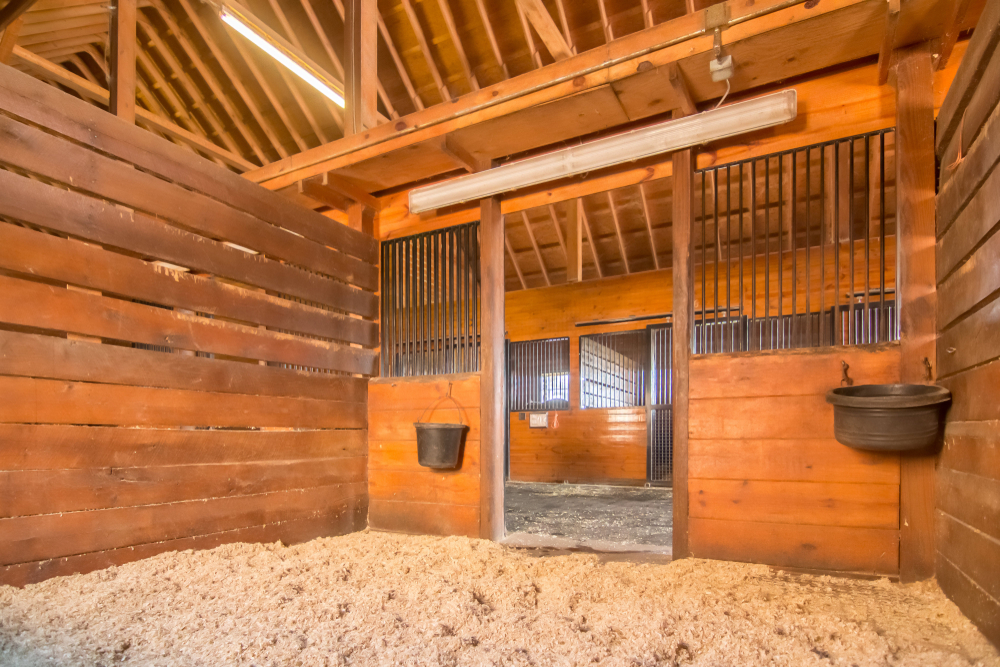
The physical setup of a barn plays a major role in a horse’s sense of security. Wide aisles, good lighting, proper ventilation, and non-slip flooring help reduce anxiety and accidents. Stalls should allow horses to see one another, supporting their social nature while still providing personal space.Noise and Sensory Management
Horses are highly sensitive to sound and movement. Loud machinery, sudden noises, or chaotic activity can elevate stress levels. Using quiet equipment, minimizing unnecessary commotion, and maintaining a steady rhythm of daily activities contribute to a calmer atmosphere.Cleanliness and Comfort
Regular mucking, fresh bedding, and good air quality are essential not only for physical health but also for mental comfort. A clean, fresh-smelling barn feels safer and more relaxing to horses.
Mindful Daily Routines
Consistency is a cornerstone of calm barn management. Horses thrive on predictable schedules for feeding, turnout, exercise, and rest. When routines are stable, horses feel more secure and are less likely to develop anxiety-related behaviors such as weaving, cribbing, or stall walking.
Mindful routines also involve allowing adequate turnout time, as movement and grazing are natural stress relievers for horses. Even limited daily turnout can significantly improve mood and behavior.
Building Connection Through Handling
Calm, Intentional Human Interaction
Horses are highly attuned to human emotions and body language. Approaching them calmly, moving with purpose, and maintaining patience during handling or training fosters trust. Rushed or frustrated interactions can quickly transfer tension to the horse.Positive Reinforcement and Clear Communication
Using clear cues and rewarding calm, cooperative behavior helps horses feel understood. This strengthens the human–horse bond and makes daily care tasks smoother and safer.Observation and Responsiveness
Mindful managers take time to observe subtle changes in behavior, appetite, or posture. Early recognition of stress or discomfort allows for timely adjustments before problems escalate.
Benefits of a Calm, Connected Barn
Reduced stress and anxiety in horses
Improved behavior and trainability
Lower risk of injury and stress-related illnesses
Stronger trust between horses and handlers
A more pleasant and efficient working environment for staff and owners
Challenges and Realistic Expectations
Mindful barn management does not mean eliminating all stress—some stress is unavoidable and even necessary for learning and adaptation. It also requires time, observation, and sometimes changes to long-standing habits. However, even small, intentional improvements can make a meaningful difference.
Practical Tips to Start Today
Evaluate your barn from the horse’s perspective
Simplify routines and reduce unnecessary noise
Spend a few minutes each day observing without rushing
Encourage calm handling practices among all staff
Prioritize turnout and social interaction when possible
Conclusion
Mindful barn management is about creating an environment where horses can relax, connect, and thrive. By thoughtfully shaping spaces, routines, and interactions, barn owners and managers support not only physical health but also emotional well-being. A calm, connected barn benefits everyone involved—horses become more content and cooperative, and humans experience deeper, more rewarding relationships with the animals in their care.