- Your source for stall mats, rubber arena footing, arena harrows and arena dust control.
Introduction
Rider balance plays a critical role in equine performance and health. Whether you’re a competitive rider, a casual trail enthusiast, or training young horses, your ability to maintain proper posture and balance directly influences your horse’s comfort, coordination, and overall movement. Understanding how rider biomechanics interact with equine motion is essential to developing a more harmonious partnership in the saddle.
What Is Rider Balance?
Rider balance refers to the ability to maintain a centered and stable position in the saddle while moving in harmony with the horse. A well-balanced rider:
Distributes weight evenly
Maintains alignment over the horse’s center of gravity
Adjusts smoothly with changes in gait, direction, and terrain
Proper balance is achieved through training, body awareness, core strength, and coordination.
How Rider Balance Affects the Horse
Freedom of Movement
A centered rider allows the horse to move more freely. When the rider’s weight is evenly distributed and in sync with the horse’s rhythm, the horse can use its back, shoulders, and hindquarters effectively. Conversely, an unbalanced rider can hinder motion by creating tension or blocking natural gait patterns.
| Rider Position | Impact on Horse |
|---|---|
| Balanced | Promotes even stride, relaxed back, engaged hind end |
| Leaning Forward | Shifts weight onto forehand, leading to imbalance |
| Slumping Back | Restricts back movement, may cause resistance |
| Off-Center | Causes uneven loading, risking joint strain |
Gait Quality and Rhythm
Horses are sensitive to weight shifts. Subtle changes in the rider’s position affect cadence, stride length, and rhythm. Inconsistent balance often results in:
Shortened or choppy strides
Irregular tempo
Difficulty transitioning between gaits
A balanced rider supports smoother, more consistent gaits and clearer transitions.
Performance and Training Outcomes
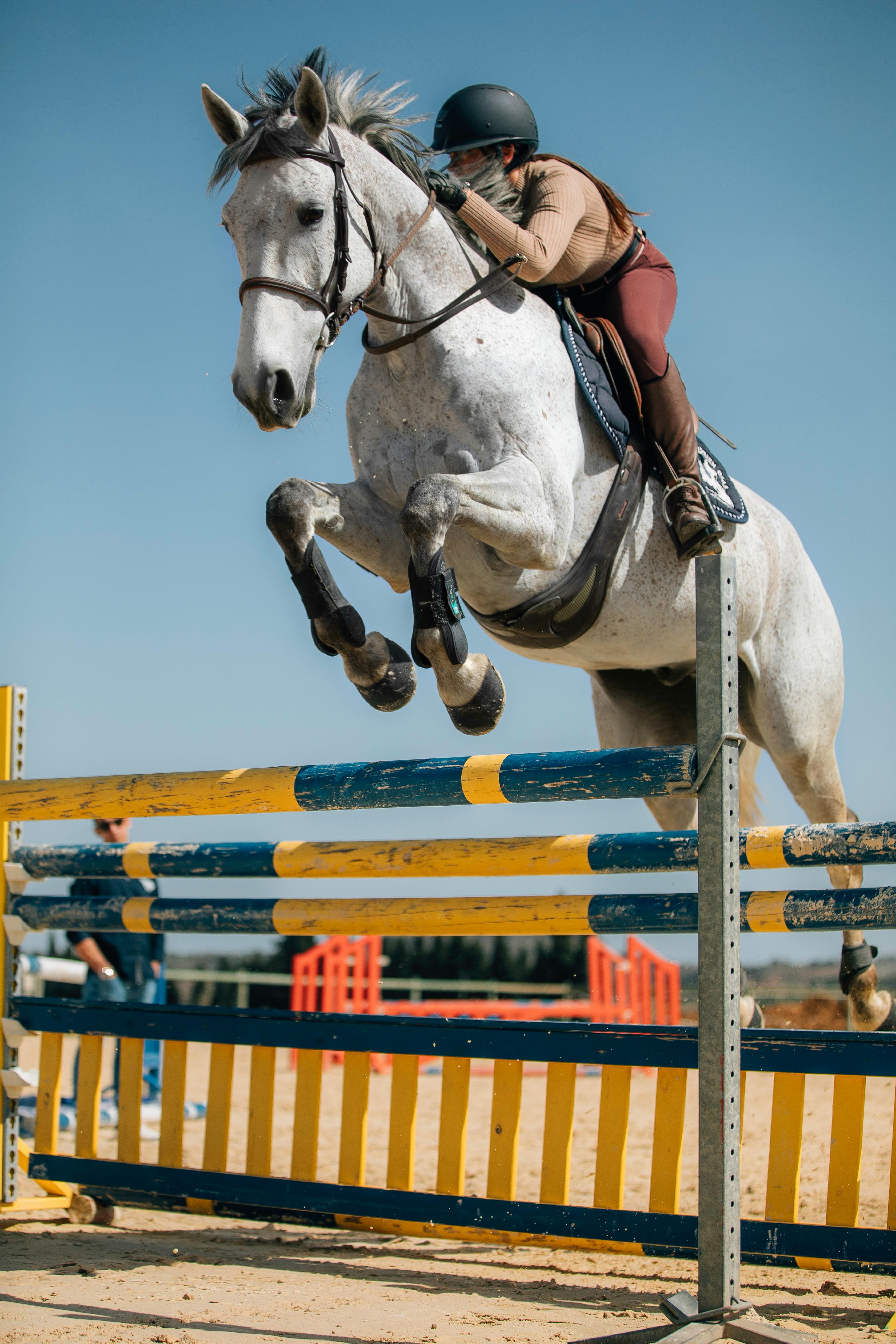
Whether working on lateral movements, jumping, or dressage, the horse must understand and respond to aids without interference. Poor rider balance can blur communication, confuse the horse, and stall progress. In contrast, balanced riders provide clear, consistent cues that the horse can confidently follow.Soundness and Long-Term Health
Chronic imbalance in the saddle places uneven stress on the horse’s muscles, joints, and spine. Over time, this may contribute to:
Back soreness
Lameness issues
Behavioral resistance under saddle
Maintaining rider balance helps distribute the load properly and protect the horse’s long-term well-being.
Benefits of Improving Rider Balance
Enhances horse’s comfort and movement efficiency
Reduces risk of injury for both horse and rider
Improves responsiveness and communication
Builds trust and harmony in the rider-horse relationship
Allows more advanced training progression
Challenges and Training Tips
Achieving balance isn’t always intuitive and requires awareness and practice. Common challenges include tight hips, weak core muscles, or unconscious leaning. To improve:
Work with a qualified instructor for posture feedback
Incorporate off-horse fitness (yoga, Pilates, balance exercises)
Use video analysis or mirrors to observe alignment
Practice lunge lessons to isolate and refine seat control
Conclusion
Rider balance is more than a matter of posture—it’s a foundational element of effective riding and equine care. A well-balanced rider allows the horse to move freely, perform better, and stay healthier longer. By cultivating awareness, strength, and coordination, riders can positively transform their horse’s experience under saddle and foster a more successful and enjoyable partnership.