- Your source for stall mats, rubber arena footing, arena harrows and arena dust control.
Introduction
Sustainable horsekeeping is becoming more than just a trend—it’s an essential approach to preserving land, protecting your horses’ health, and reducing environmental impact. From pasture management to waste reduction, eco-friendly practices help create a healthier, more efficient, and more natural living environment for horses. By embracing sustainability, owners can improve soil quality, conserve resources, and support long-term equine welfare.
What Is Sustainable Horsekeeping?
Sustainable horsekeeping refers to environmentally conscious management practices that balance the needs of horses, land, and the surrounding ecosystem. It includes methods that:
Reduce waste and pollution
Conserve water and natural resources
Improve soil and pasture health
Support biodiversity
Promote the overall wellness of horses
These practices ensure that horse facilities remain productive while minimizing their ecological footprint.
Key Sustainable Practices for Eco-Friendly Horsekeeping
1. Responsible Pasture Management
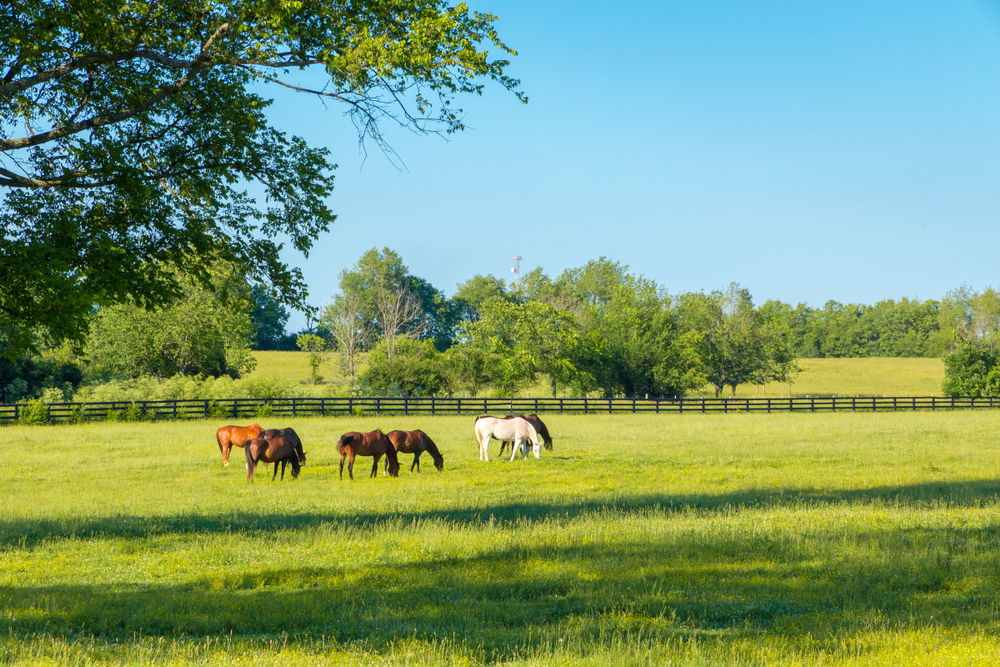
Healthy pastures provide natural forage, reduce feed costs, and prevent land degradation. Effective management includes:
| Practice | Purpose | Benefits |
|---|---|---|
| Rotational grazing | Allows grass to recover between grazing cycles | Prevents overgrazing, improves forage quality |
| Soil testing & nutrient balancing | Identifies deficiencies and guides responsible fertilization | Enhances pasture productivity without overuse of chemicals |
| Planting native grass species | Supports local ecosystems | Improves soil health and erosion control |
| Limiting herd density | Matches horse numbers to land capacity | Prevents compaction and depletion of grass |
Proper pasture care protects natural resources while ensuring horses have access to nutrient-rich forage.
2. Eco-Conscious Stable and Farm Management
Simple changes in daily operations can significantly reduce environmental impact, such as:
Using energy-efficient lighting (LED fixtures, motion sensors)
Opting for natural ventilation to reduce electricity consumption
Collecting rainwater for cleaning or irrigation
Choosing sustainable bedding such as hemp, pelleted wood, or recycled paper
Building with eco-friendly materials when constructing or renovating barns
These strategies reduce energy use, lower costs, and create healthier spaces for horses and handlers.
3. Water Conservation and Quality Protection
Horses require large amounts of water, but using it wisely protects both the environment and your budget.
Examples include:
Installing automatic waterers to prevent waste
Creating buffer zones near streams or wells to filter runoff
Maintaining manure storage areas away from water sources
Using permeable surfaces (like gravel or grass pavers) to reduce erosion
Clean, protected water sources support both equine health and ecosystem stability.
4. Manure Management and Composting
Manure is a valuable resource when handled sustainably—but a pollutant when mismanaged.
Effective manure handling may include:
Daily mucking to reduce odor and flies
Properly covered storage areas to prevent nutrient runoff
Composting manure and bedding into nutrient-rich fertilizer
Recycling compost for gardens, pastures, or selling to local farmers
Composting reduces waste volume by up to 50% and transforms stall waste into a useful, eco-friendly product.
5. Eco-Friendly Feeding Practices
What horses eat affects both their bodies and the planet.
Sustainable feeding involves:
Supporting local hay producers to reduce transportation emissions
Storing feed properly to minimize spoilage and waste
Choosing organic or sustainably harvested feed when available
Reducing plastic bale wrap by using bulk storage options
Balancing nutrition with resource-conscious choices helps reduce environmental impact while maintaining horse health.
Benefits of Sustainable Horsekeeping
Healthier horses thanks to cleaner environments and improved forage
Better land stewardship through thoughtful pasture and soil care
Reduced operational costs from energy savings and efficient resource use
Lower carbon footprint across daily horsekeeping activities
Improved community and ecosystem health through pollution reduction
Sustainable practices create a win-win situation for horses, owners, and the environment.
Limitations and Considerations
While sustainable horsekeeping offers many advantages, it’s important to note:
Initial investments (such as renewable energy or new fencing) can be costly
Climate and soil differences affect sustainable pasture strategies
Some eco-friendly products may not be available in all regions
Changes may require learning new management habits
However, even small steps can make a meaningful difference over time.
Practical Tips for Getting Started
When to Implement Sustainable Practices:
During farm planning, renovation, or expansion
When pasture quality begins to decline
If manure management becomes overwhelming
When utility costs rise
As part of regular yearly maintenance
How to Begin:
Start with one or two manageable changes
Consult equine nutritionists, soil experts, or agricultural extension offices
Evaluate your land and stable layout for improvement opportunities
Conclusion
Eco-friendly horsekeeping is more than a movement—it’s a commitment to caring for horses in harmony with nature. By adopting sustainable practices, owners can improve equine welfare, protect natural resources, and create thriving farms for future generations. Whether through better pasture management, smart water use, or thoughtful waste reduction, every effort contributes to greener pastures and a healthier world for horses and humans alike.