

- Your source for stall mats, rubber arena footing, arena harrows and arena dust control.
Introduction
Horse training has always relied on the experienced eye of trainers, riders, and veterinarians. Subtle signs—such as changes in gait, breathing, or behavior—often guide decisions about conditioning, rest, and competition readiness. Today, artificial intelligence (AI) and advanced sensor technologies are transforming this process. By collecting and analyzing real-time data from horses during training and recovery, these tools provide objective insights that help optimize performance, prevent injuries, and improve overall equine welfare.
What Are AI and Equine Sensor Technologies?
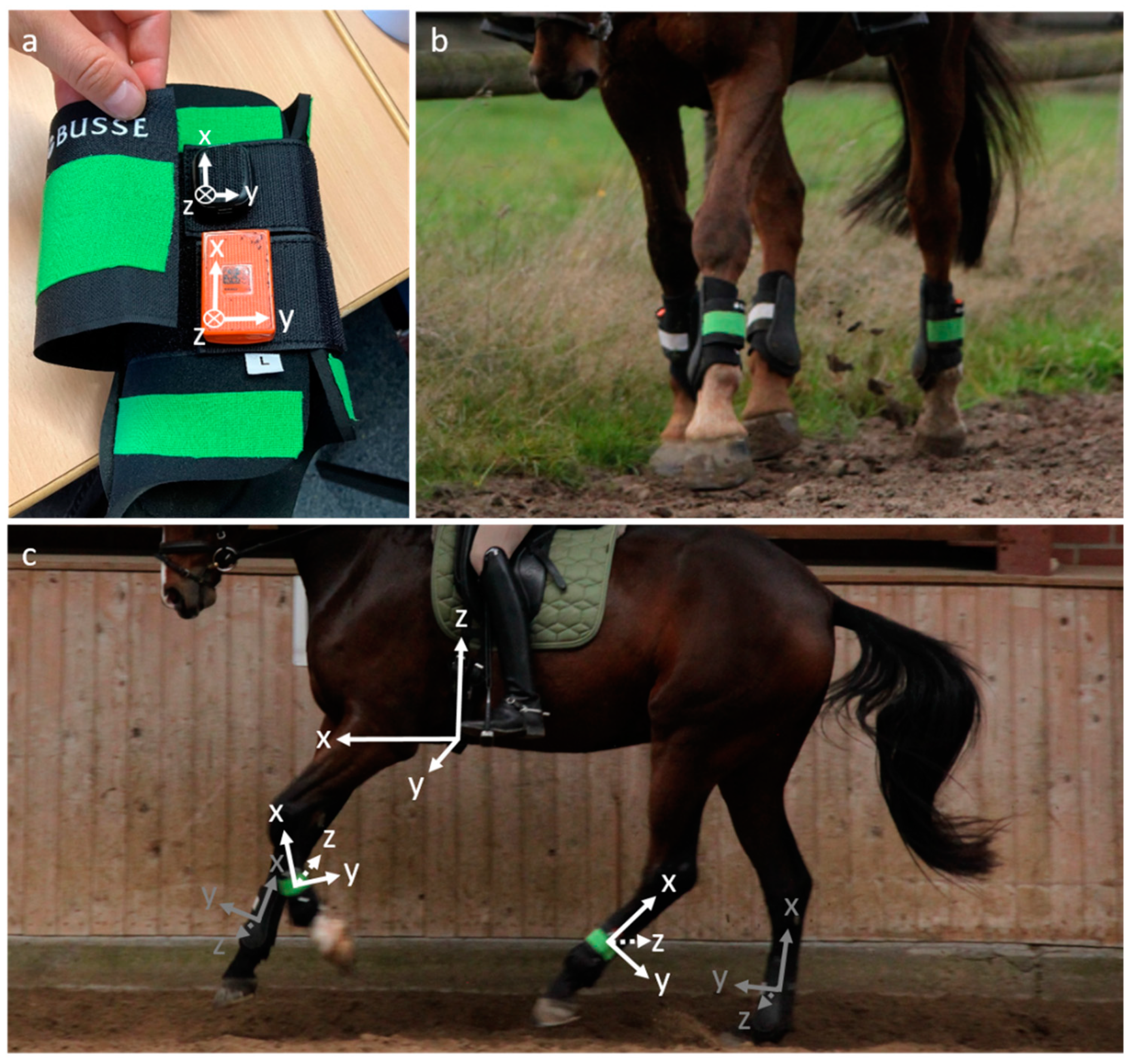
Equine sensor technologies are wearable or remote devices that monitor various physiological and biomechanical parameters. These devices collect data continuously and transmit it to software platforms powered by AI, which analyze patterns and provide actionable insights.
Common sensor types include:
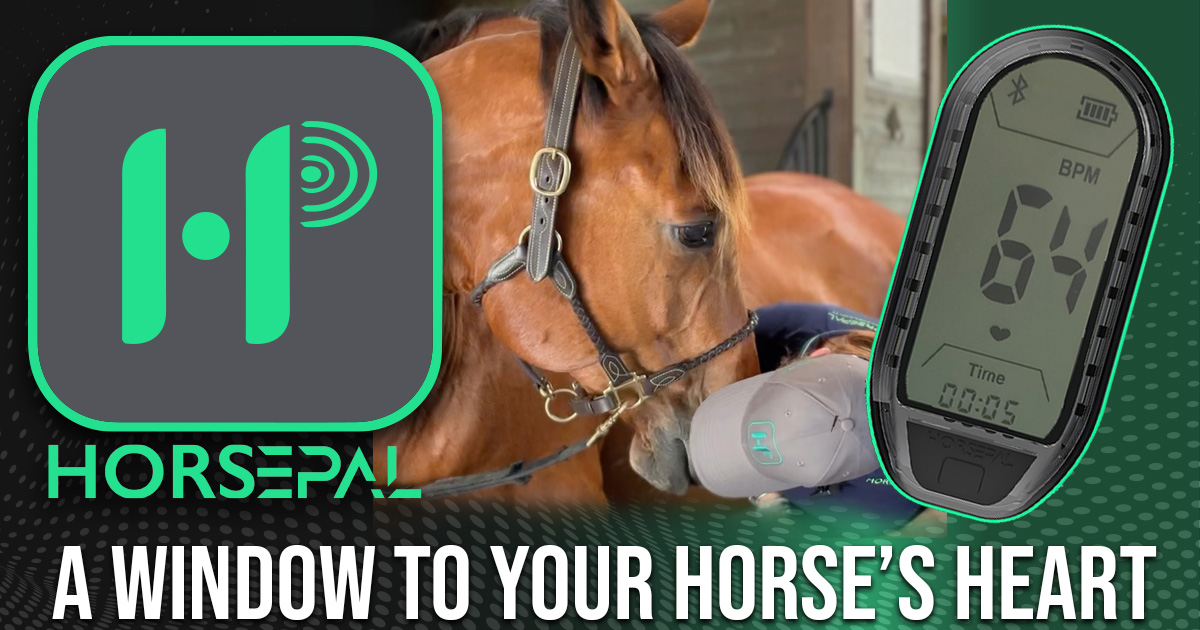
Heart rate monitors
GPS trackers for speed and distance
Motion sensors and accelerometers
Respiratory monitors
Pressure sensors in saddles or horseshoes
Thermal imaging and body temperature sensors
AI systems then interpret this data to identify trends, detect abnormalities, and support informed training decisions.
What These Technologies Can Measure
1. Cardiovascular Fitness and Recovery
Heart rate sensors track how hard a horse’s heart is working during exercise and how quickly it recovers afterward.
Key indicators include:
Resting heart rate trends
Maximum heart rate during exercise
Recovery time after exertion
Heart rate variability (HRV), an indicator of fitness and stress
Faster recovery times typically indicate improved fitness, while prolonged recovery may signal fatigue, stress, or potential health issues.
2. Movement and Gait Analysis
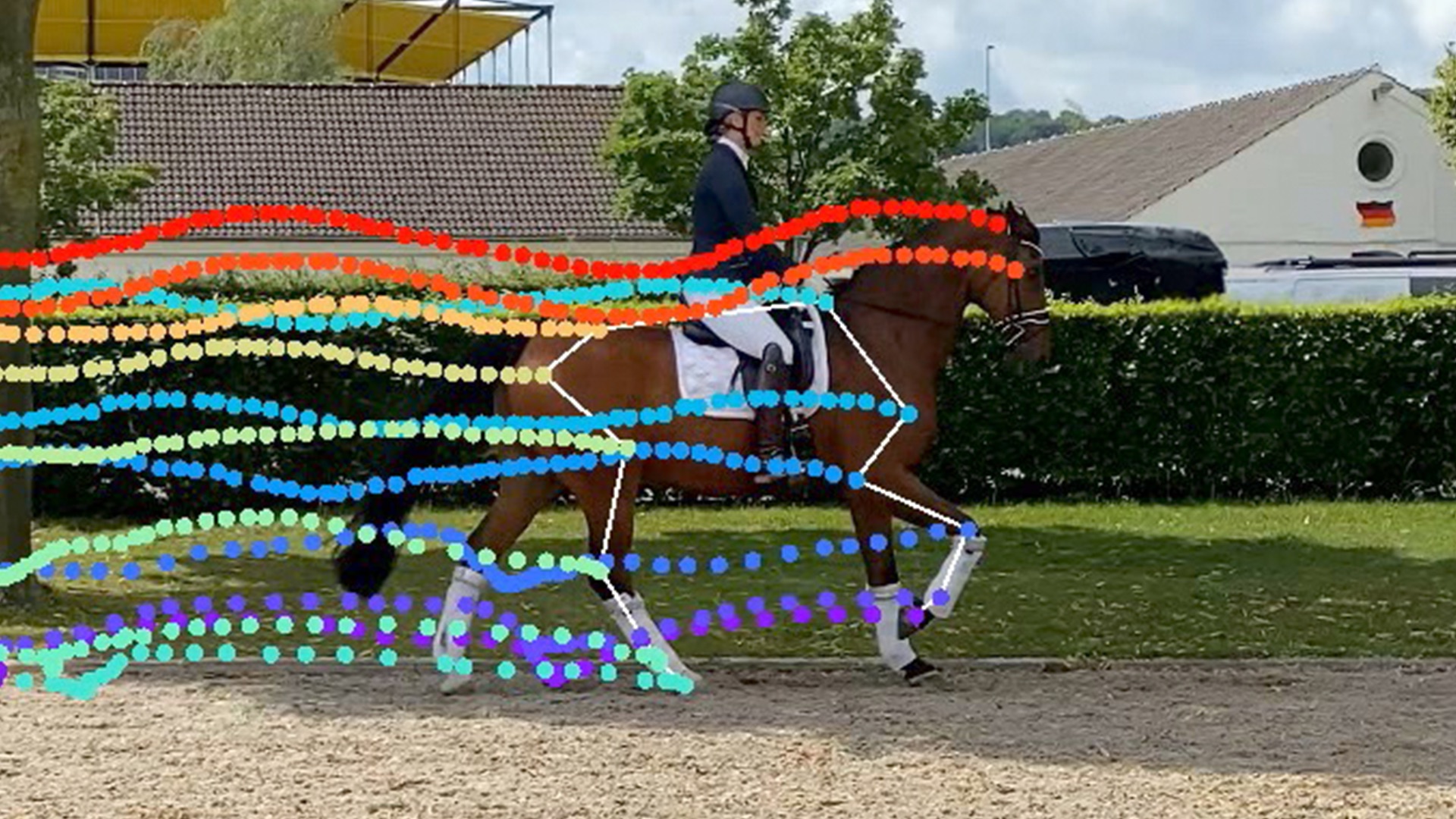
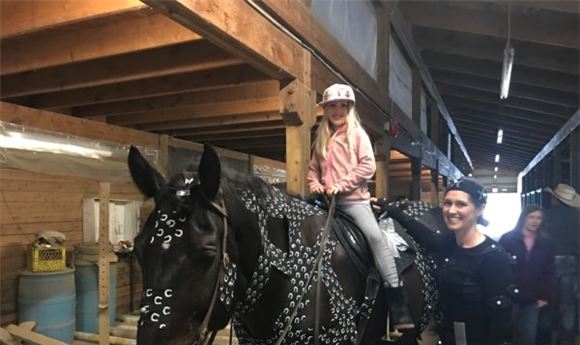
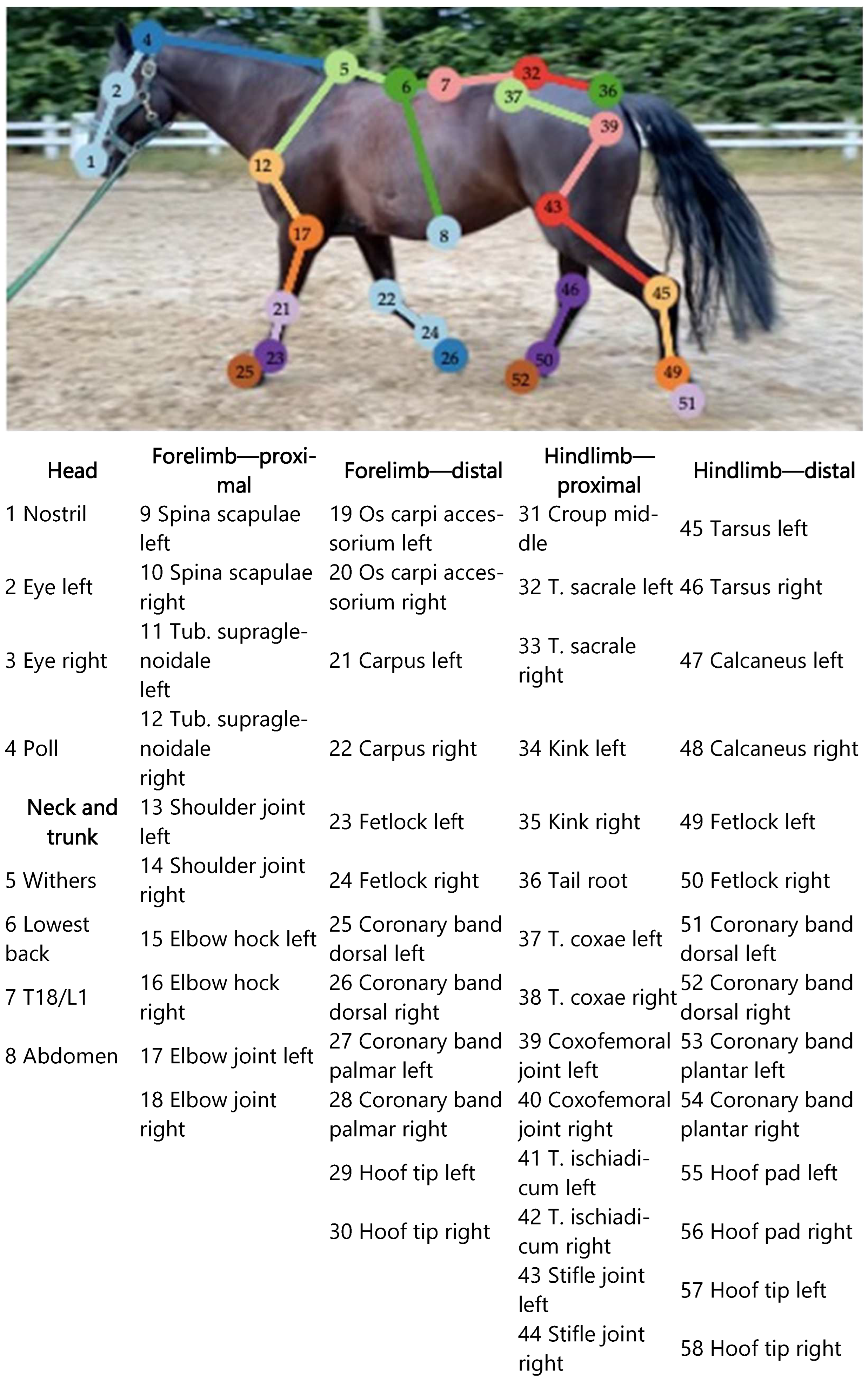
Motion sensors and AI-powered gait analysis systems detect subtle changes in stride, symmetry, and limb movement.
These tools can identify:
Early signs of lameness
Uneven weight distribution
Changes in stride length or rhythm
Biomechanical inefficiencies
Early detection allows trainers and veterinarians to intervene before minor issues become serious injuries.

3. Workload and Training Intensity
GPS and accelerometer data help measure how much work a horse performs during training.
Important metrics include:
Distance covered
Speed and acceleration
Duration of exercise sessions
Frequency of high-intensity effort
This information helps trainers avoid overtraining and design balanced conditioning programs.
4. Stress and Behavioral Indicators
Physiological and behavioral data can reveal stress levels and emotional state.
Sensors may detect:
Elevated heart rate unrelated to exercise
Restlessness or abnormal movement patterns
Changes in sleep or rest cycles
Stress monitoring is especially useful during competition preparation, transport, or environmental changes.
5. Saddle Fit and Pressure Distribution
Pressure sensors placed in saddles measure how weight is distributed across the horse’s back.
These systems can identify:
Pressure points that cause discomfort
Poor saddle fit
Asymmetrical rider balance
Correcting saddle issues improves comfort, performance, and injury prevention.
How AI Helps Trainers Make Better Decisions
1. Personalized Training Programs
AI analyzes individual horse data to tailor training schedules based on fitness level, recovery ability, and performance trends. This ensures each horse trains at an optimal intensity.
2. Injury Prevention and Early Detection
AI can detect subtle deviations from normal patterns that may indicate early injury risk. Trainers can adjust workload or seek veterinary evaluation before problems worsen.
3. Objective Performance Evaluation
Instead of relying solely on observation, trainers can use measurable data to assess progress and effectiveness of training strategies.
4. Long-Term Performance Tracking
Data collected over time helps identify patterns in conditioning, performance peaks, and recovery cycles, allowing for better competition planning.
Benefits of AI and Sensor-Based Training
Improved injury prevention through early detection
More precise and individualized training programs
Better understanding of horse fitness and recovery
Objective data to support training decisions
Enhanced performance and conditioning
Improved horse comfort and welfare
Stronger collaboration between trainers, veterinarians, and owners
Limitations and Challenges
Technology cannot replace experienced trainers and veterinary judgment.
Sensors may occasionally produce inaccurate readings due to improper placement or technical issues.
Equipment and software can be costly.
Data interpretation requires proper training and understanding.
Not all performance factors can be measured digitally—environment, rider skill, and temperament still matter.
Practical Considerations
When Should You Use Equine Sensor Technology?
During conditioning and performance training
When monitoring recovery from injury
Preparing horses for competition
Evaluating unexplained performance changes
Optimizing training programs for young or developing horses
Choosing the Right System
Select devices designed specifically for equine use.
Ensure systems provide accurate, validated measurements.
Look for user-friendly software and clear reporting tools.
Consult veterinarians or equine performance specialists when selecting technology.
Interpreting Data Responsibly
Data should complement—not replace—professional expertise. Trainers and veterinarians should interpret results within the broader context of the horse’s health, behavior, and environment.
The Future of Data-Driven Horse Training
As AI technology advances, equine training will become increasingly precise and predictive. Future systems may forecast injury risk before symptoms appear, recommend optimal training loads automatically, and integrate nutrition, recovery, and performance data into a single platform.
These innovations will help create safer, more efficient training programs while prioritizing the horse’s long-term health and well-being.
Conclusion
AI and sensor technologies are revolutionizing how training decisions are made in the equine world. By providing objective, real-time insights into fitness, movement, and recovery, these tools empower trainers and veterinarians to optimize performance while reducing injury risk. While technology cannot replace human expertise, it enhances decision-making with valuable data that supports smarter, safer, and more effective training. As these tools continue to evolve, data-driven training will play an increasingly important role in shaping the future of equine performance and welfare.