- Your source for stall mats, rubber arena footing, arena harrows and arena dust control.
Introduction
Cross-training has become an increasingly valuable approach in modern equine conditioning. Rather than focusing solely on discipline-specific schooling inside the arena, cross-training incorporates a variety of exercises and activities that challenge a horse’s body in different ways. This balanced approach helps build overall strength, improve soundness, reduce boredom, and support long-term performance and welfare.
What Is Cross-Training for Horses?
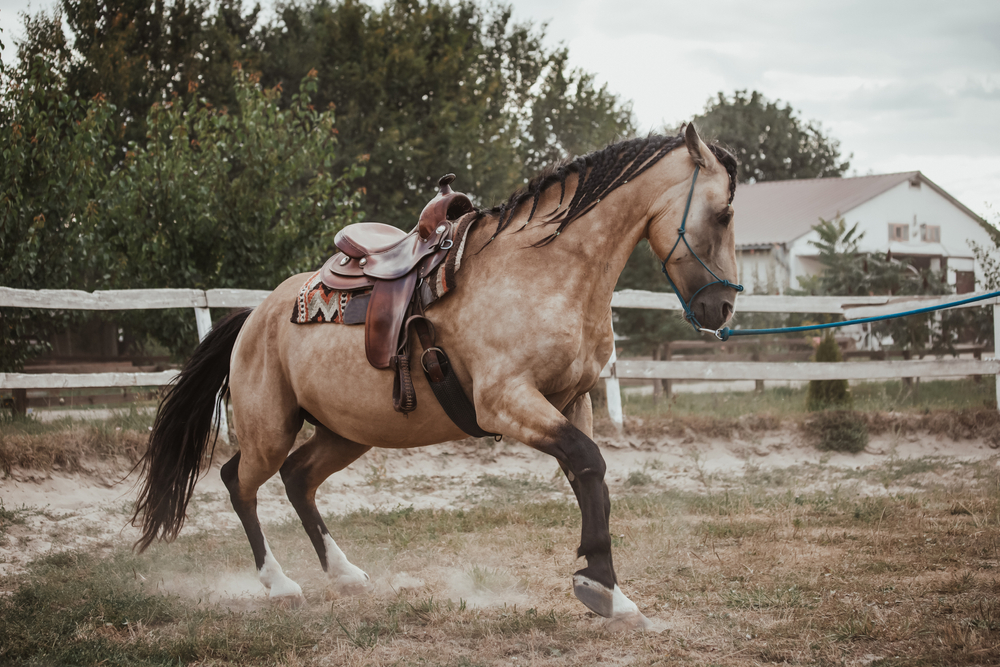
Cross-training refers to the practice of combining multiple types of physical activities into a horse’s regular exercise program. These activities may include trail riding, hill work, ground poles, cavaletti, gymnastic exercises, swimming, hacking, and even groundwork. The goal is to develop the whole horse—muscles, joints, cardiovascular fitness, coordination, and mental focus—rather than overworking the same muscle groups repeatedly.
Why Cross-Training Matters
Balanced Muscle Development
Arena work often emphasizes specific movement patterns, which can lead to uneven muscle development. Cross-training activates different muscle groups, promoting symmetry and overall strength. For example, hill work strengthens the hindquarters and core, while pole exercises enhance coordination and topline engagement.Injury Prevention and Soundness
Repetitive motion is a common cause of strain and overuse injuries. By varying exercises, cross-training reduces stress on joints, tendons, and ligaments. This variety allows tissues time to recover while still maintaining fitness, supporting long-term soundness.Improved Cardiovascular Fitness
Activities such as hacking, conditioning sets, or swimming improve heart and lung capacity without the mental pressure of arena schooling. This leads to better stamina and recovery, especially important for competition horses.Mental Stimulation and Well-Being
Monotony can lead to resistance, anxiety, or dullness. New environments and tasks keep horses mentally engaged, curious, and willing. A mentally relaxed horse is often more cooperative and confident during training.
Common Cross-Training Activities and Their Benefits
Activity | Primary Benefits
Trail Riding | Mental relaxation, balance, endurance
Hill Work | Hindquarter strength, core stability
Cavaletti & Poles | Coordination, rhythm, topline development
Gymnastic Exercises | Suppleness, balance, strength
Groundwork | Communication, body awareness
Swimming or Water Treadmill | Low-impact conditioning, joint relief
Designing a Cross-Training Program
An effective cross-training program should complement the horse’s primary discipline and individual needs. Factors to consider include age, fitness level, workload, and any existing soundness concerns. Introducing new activities gradually is essential to prevent soreness or fatigue. A balanced weekly schedule might alternate arena schooling days with hacking, pole work, or conditioning rides.
Practical Considerations
When to Start Cross-Training
Cross-training can benefit horses at all stages, from young horses developing basic strength to seasoned competitors needing variety and maintenance. It is especially useful during off-season conditioning or rehabilitation programs, under veterinary guidance.
Monitoring the Horse’s Response
Signs of a successful program include improved muscle tone, better attitude, consistent performance, and reduced stiffness. Any signs of soreness, reluctance, or fatigue indicate the need to adjust intensity or frequency.
Professional Guidance
Working with trainers, veterinarians, or equine physiotherapists can help tailor a cross-training plan that aligns with the horse’s discipline and physical condition.
Conclusion
Cross-training builds strength beyond the arena by developing a more balanced, resilient, and mentally content horse. By incorporating varied exercises into a regular routine, owners and riders can enhance performance, reduce injury risk, and support long-term equine welfare. Rather than replacing discipline-specific training, cross-training enriches it—creating a stronger, healthier partner both in and out of the ring.