

- Your source for stall mats, rubber arena footing, arena harrows and arena dust control.
Introduction
Modern equine performance goes far beyond speed or power alone. Today’s competitive and recreational horses are recognized as complete athletes whose strength, mobility, cardiovascular fitness, and recovery all play essential roles in their success and well-being. Whether competing under the standards of organizations like the Fédération Équestre Internationale or participating in everyday riding, conditioning the whole athlete ensures not only peak performance but also long-term soundness and health.
A well-conditioned horse moves efficiently, resists injury, and maintains performance capabilities throughout a longer, healthier career.
What Is Whole-Athlete Conditioning?
Whole-athlete conditioning is a balanced training approach that develops multiple physical systems simultaneously, including:
Muscular strength
Joint mobility and flexibility
Cardiovascular endurance
Neuromuscular coordination
Recovery and tissue resilience
Rather than focusing on a single performance trait, this method prepares the horse’s entire body to meet athletic demands safely and sustainably.
Core Components of Equine Conditioning
1. Strength Development

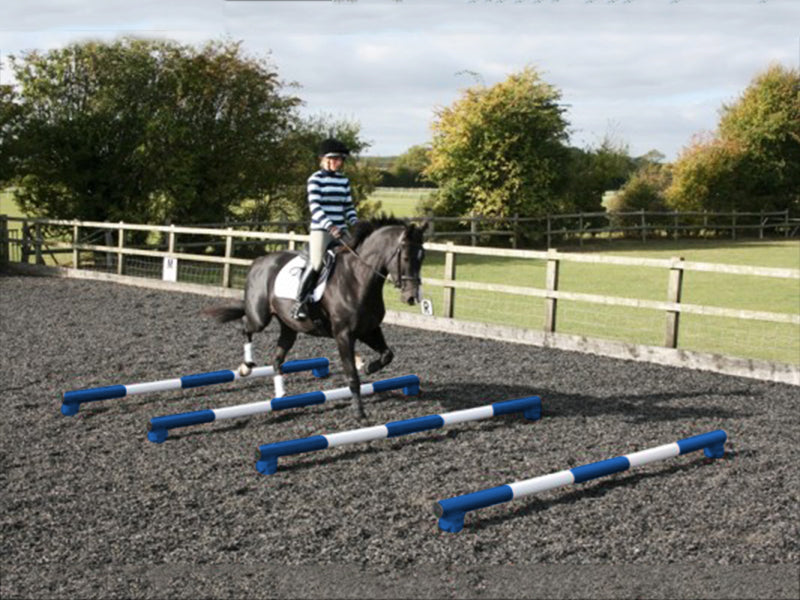
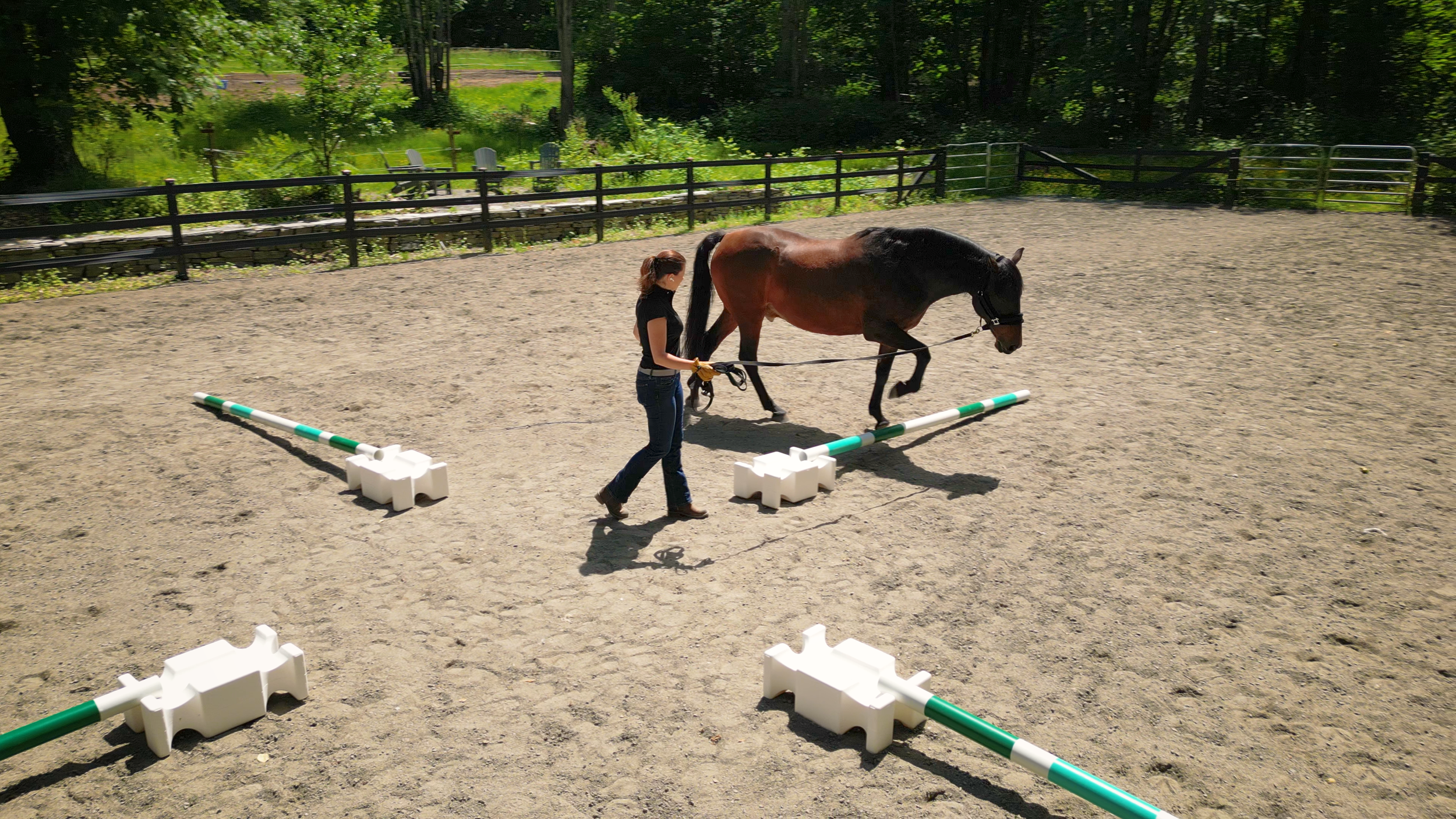
Strength provides the foundation for power, balance, and injury prevention. Muscular development supports joints, stabilizes movement, and improves overall performance.
Common strength-building exercises include:
Hill work to engage hindquarters and core muscles
Cavaletti and ground poles to improve coordination and strength
Collected work under saddle to develop engagement
Resistance training such as long-lining
Strong muscles help absorb stress and protect ligaments and tendons during demanding activities.
2. Mobility and Flexibility
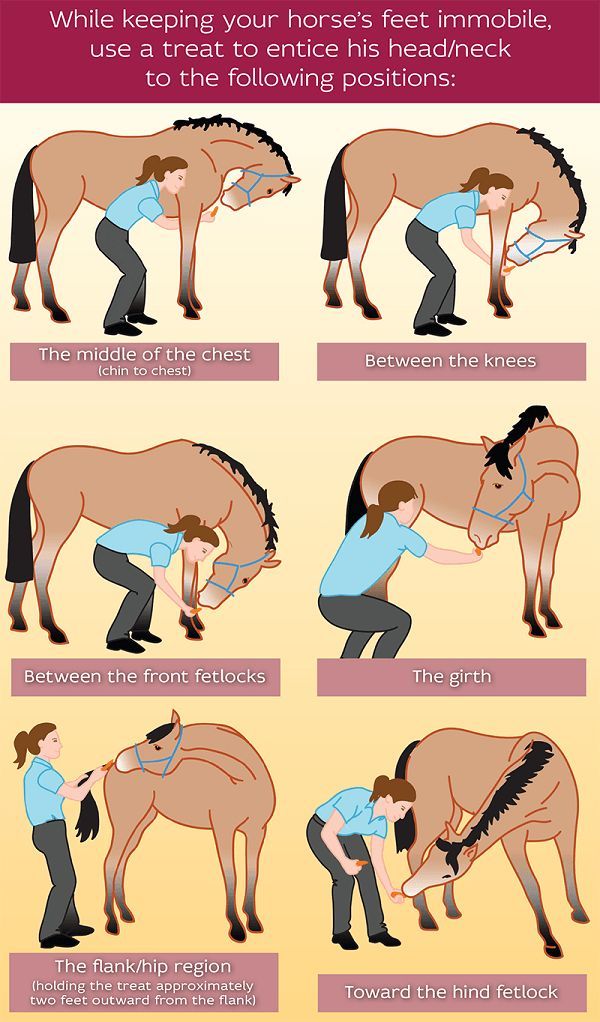


Mobility ensures joints move freely through their full range of motion, allowing efficient, balanced movement. Limited flexibility can lead to stiffness, compensation, and injury.
Mobility training may include:
Carrot stretches to improve spinal flexibility
Dynamic warm-up routines before exercise
Proper cool-down procedures
Groundwork promoting suppleness and coordination
Improved mobility enhances stride length, balance, and overall athletic efficiency.
3. Cardiovascular Fitness
Endurance conditioning strengthens the heart and lungs, improving stamina and recovery.
Examples include:
Long, slow distance riding
Interval training
Controlled trotting and cantering sets
Gradual increases in workload over time
Benefits of cardiovascular conditioning:
Component Benefit
Heart function Improves oxygen delivery to muscles
Respiratory efficiency Enhances stamina and reduces fatigue
Recovery rate Allows faster return to resting condition
Energy utilization Increases overall performance capacity
A strong cardiovascular system supports sustained performance while reducing stress on muscles and joints.
4. Recovery and Longevity
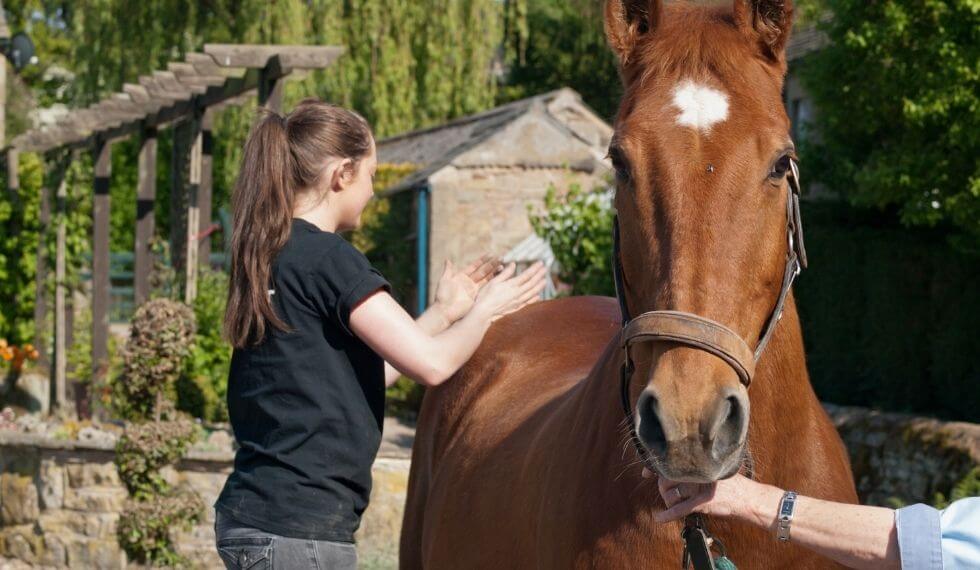
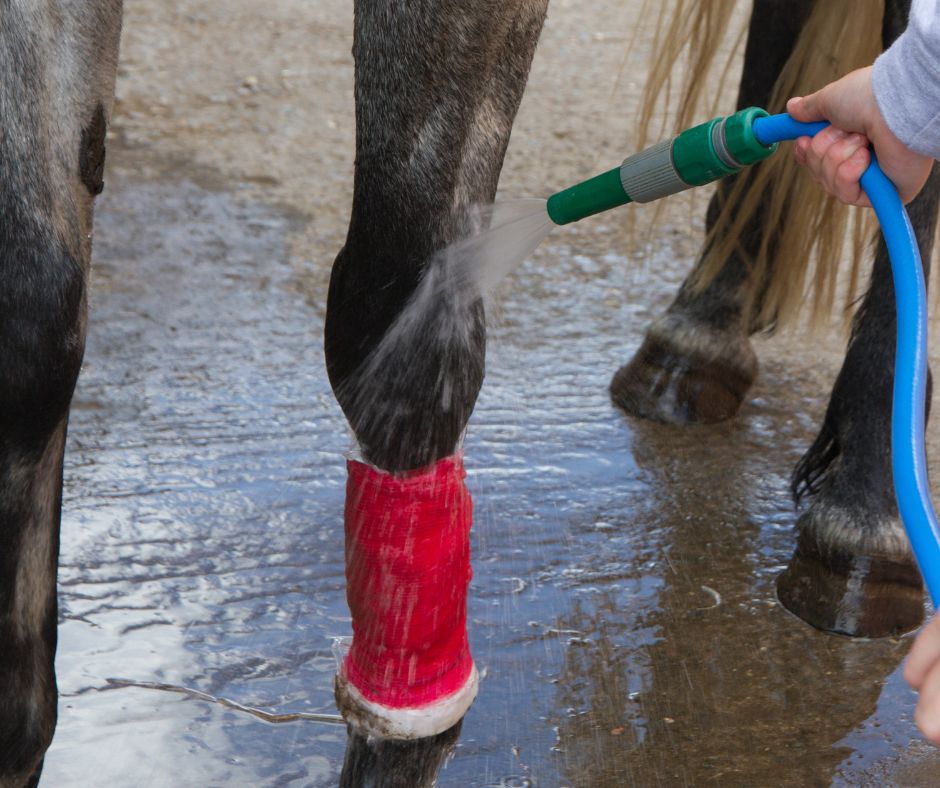
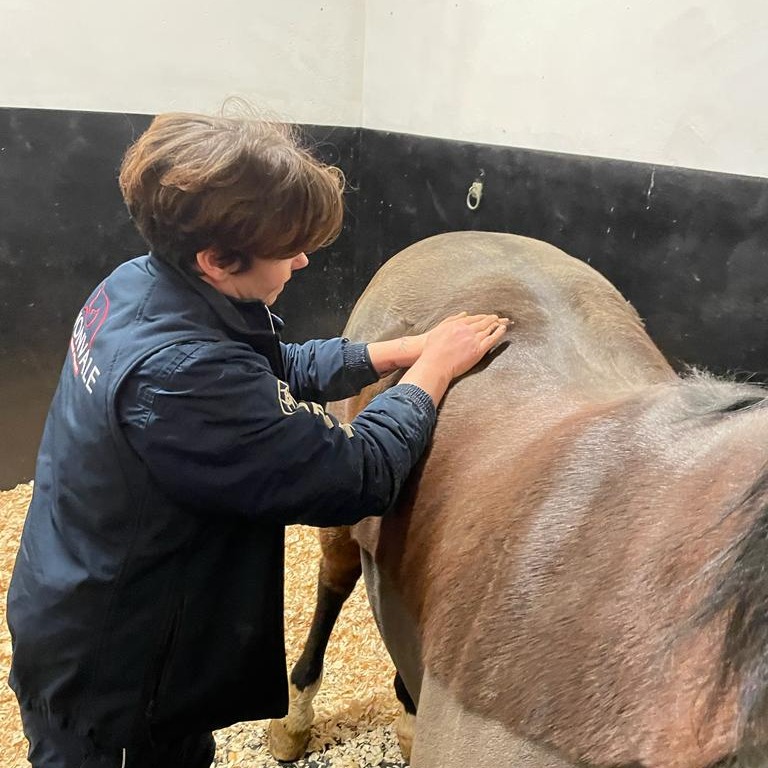
Recovery is essential for long-term soundness. Conditioning only produces benefits when paired with adequate rest and tissue repair.
Key recovery practices include:
Scheduled rest days
Massage and physiotherapy
Proper nutrition and hydration
Cooling procedures after exercise
Regular veterinary monitoring
Recovery allows muscles, tendons, and ligaments to adapt and strengthen safely.
Benefits of Whole-Athlete Conditioning
Injury prevention: Balanced conditioning strengthens supportive tissues and reduces strain.
Improved performance: Horses move more efficiently with better coordination and endurance.
Extended athletic career: Proper conditioning promotes long-term soundness.
Enhanced comfort and welfare: A well-conditioned horse experiences less fatigue and physical stress.
Better adaptability: Conditioned horses respond more effectively to training demands.
Risks of Incomplete Conditioning
Focusing on only one aspect of conditioning can lead to imbalance and injury.
Common risks include:
Muscle strain from inadequate strength
Joint stiffness due to poor mobility
Early fatigue from insufficient endurance
Increased injury risk from lack of recovery
Balanced conditioning ensures all systems develop together safely.
Practical Conditioning Guidelines
When to Begin Conditioning
Young horses: Introduce gradually with low-intensity exercises
Active horses: Maintain consistent conditioning programs
Returning horses: Rebuild fitness slowly after rest or injury
Sample Weekly Conditioning Framework
Day Focus Area
Day 1 Strength and pole work
Day 2 Endurance conditioning
Day 3 Mobility and light work
Day 4 Rest and recovery
Day 5 Strength and conditioning
Day 6 Endurance or skills training
Day 7 Rest
Consistency and gradual progression are key to safe development.
Monitoring Progress
Watch for signs of proper conditioning:
Improved recovery after exercise
Increased willingness to work
Balanced muscle development
Smooth, coordinated movement
Warning signs include stiffness, fatigue, or reluctance to perform.
Conclusion
Conditioning the whole athlete requires a balanced approach that develops strength, mobility, endurance, and recovery equally. This comprehensive method not only improves performance but also protects the horse’s long-term health and soundness. By recognizing horses as complete athletes and supporting every aspect of their physical development, owners and trainers can ensure safer training, better performance, and longer, healthier athletic careers.
Whole-athlete conditioning is not just about performance—it is about preserving the horse’s well-being for years to come.