- Your source for stall mats, rubber arena footing, arena harrows and arena dust control.
Introduction
A healthy barn environment is essential for the well-being of both horses and the people who care for them. Dust, mold, and airborne allergens are common in stables, yet they are often overlooked until respiratory problems arise. Poor air quality can contribute to conditions such as heaves (equine asthma), chronic coughing, eye irritation, and reduced performance. By understanding the sources of these irritants and applying practical management strategies, barn owners can create a cleaner, safer, and more comfortable space for everyone.
Why Barn Air Quality Matters
Horses spend a significant amount of time indoors, especially during extreme weather. Unlike humans, they are highly sensitive to airborne particles because of their large lung capacity and continuous exposure at ground level where dust settles. Long-term exposure to dust and mold spores can lead to chronic respiratory inflammation, decreased oxygen intake, and increased susceptibility to infections.
For caretakers, poor barn air quality can also trigger allergies, asthma, and other respiratory concerns, making daily work uncomfortable and potentially harmful.
Common Sources of Dust, Mold, and Allergens
Understanding where these irritants come from is the first step toward controlling them.
Hay and Bedding
Dry hay is one of the biggest contributors to dust and mold spores, especially if it is poorly stored or of low quality. Straw bedding can also produce high dust levels, while some wood shavings may contain fine particles that become airborne during cleaning.
Manure and Urine
Accumulated manure and damp areas increase ammonia levels, which irritate the respiratory tract. Moist environments also encourage mold growth.
Poor Ventilation
Inadequate airflow traps dust, allergens, and gases inside the barn, allowing concentrations to build up over time.
Feed and Grain
Cracked grains and powdered supplements can release fine particles during feeding, adding to the overall dust load.
Health Effects on Horses
Prolonged exposure to barn allergens may result in:
Chronic coughing and nasal discharge
Labored breathing or flared nostrils
Reduced stamina and performance
Development or worsening of equine asthma (heaves)
Increased veterinary costs due to respiratory illness
Early signs are often subtle, making prevention especially important.
Practical Strategies for Managing Barn Air Quality
Improve Ventilation
Good airflow is the cornerstone of a healthy barn. Use open windows, ridge vents, and doors to promote natural ventilation. Fans can help move air, but they should not blow dust directly at horses.
Choose Low-Dust Bedding
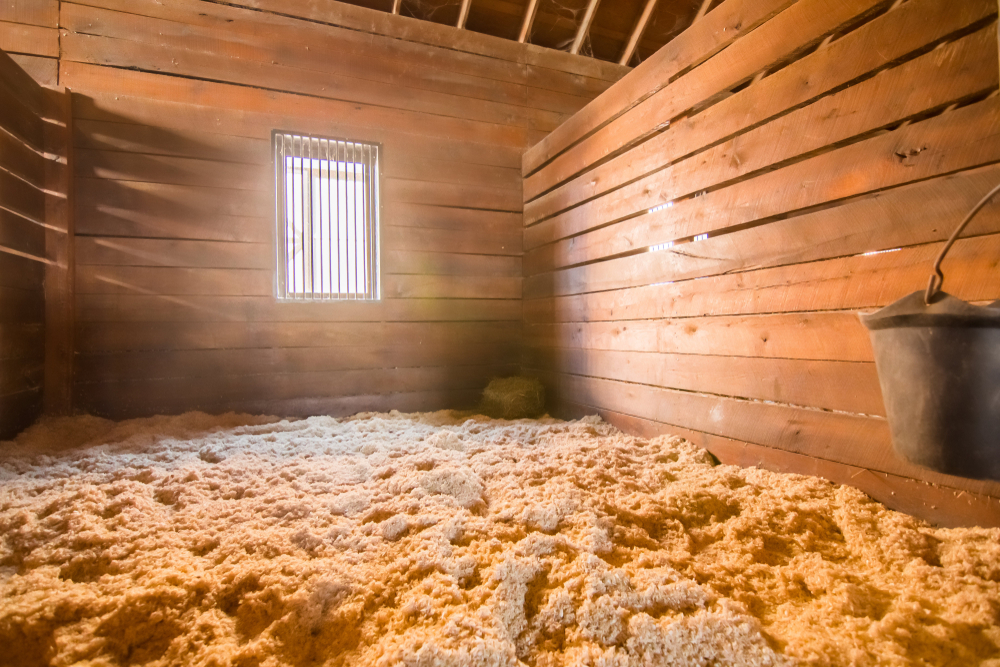
Opt for dust-extracted shavings, paper bedding, or rubber mats with minimal bedding. Regularly remove soiled bedding to prevent ammonia buildup.
Manage Hay Carefully
Feed high-quality, mold-free hay. Soaking or steaming hay before feeding can significantly reduce dust and spores. Store hay in a dry, well-ventilated area away from stalls when possible.
Maintain Cleanliness
Frequent manure removal and routine sweeping reduce the accumulation of dust and allergens. Dampen aisles lightly before sweeping to keep dust from becoming airborne.
Control Moisture and Mold
Fix leaks promptly and ensure proper drainage around the barn. Keep feed rooms and tack areas dry, as mold can spread easily through spores.
Adjust Feeding Practices
Feed horses at ground level rather than in elevated hay nets to support natural drainage of the respiratory tract. Avoid feeding during stall cleaning when dust levels are highest.
Benefits of a Cleaner Barn Environment
Improved respiratory health for horses
Better performance and comfort
Reduced veterinary interventions
Healthier working conditions for staff and owners
Longer lifespan for barn structures and stored feed
Limitations and Ongoing Management
While good management can drastically reduce dust and allergens, it may not eliminate them entirely. Seasonal changes, weather conditions, and regional humidity all influence barn air quality. Regular monitoring and adjustments are necessary to maintain a healthy environment.
Conclusion
Managing dust, mold, and allergens in the barn is not just about cleanliness—it is about protecting respiratory health and enhancing overall quality of life for horses and humans alike. Through proper ventilation, thoughtful choices in bedding and feed, and consistent barn management, it is possible to create a space where everyone can truly breathe easy. A well-managed barn supports healthier horses, more comfortable caretakers, and a more sustainable equine operation overall.