
Introduction
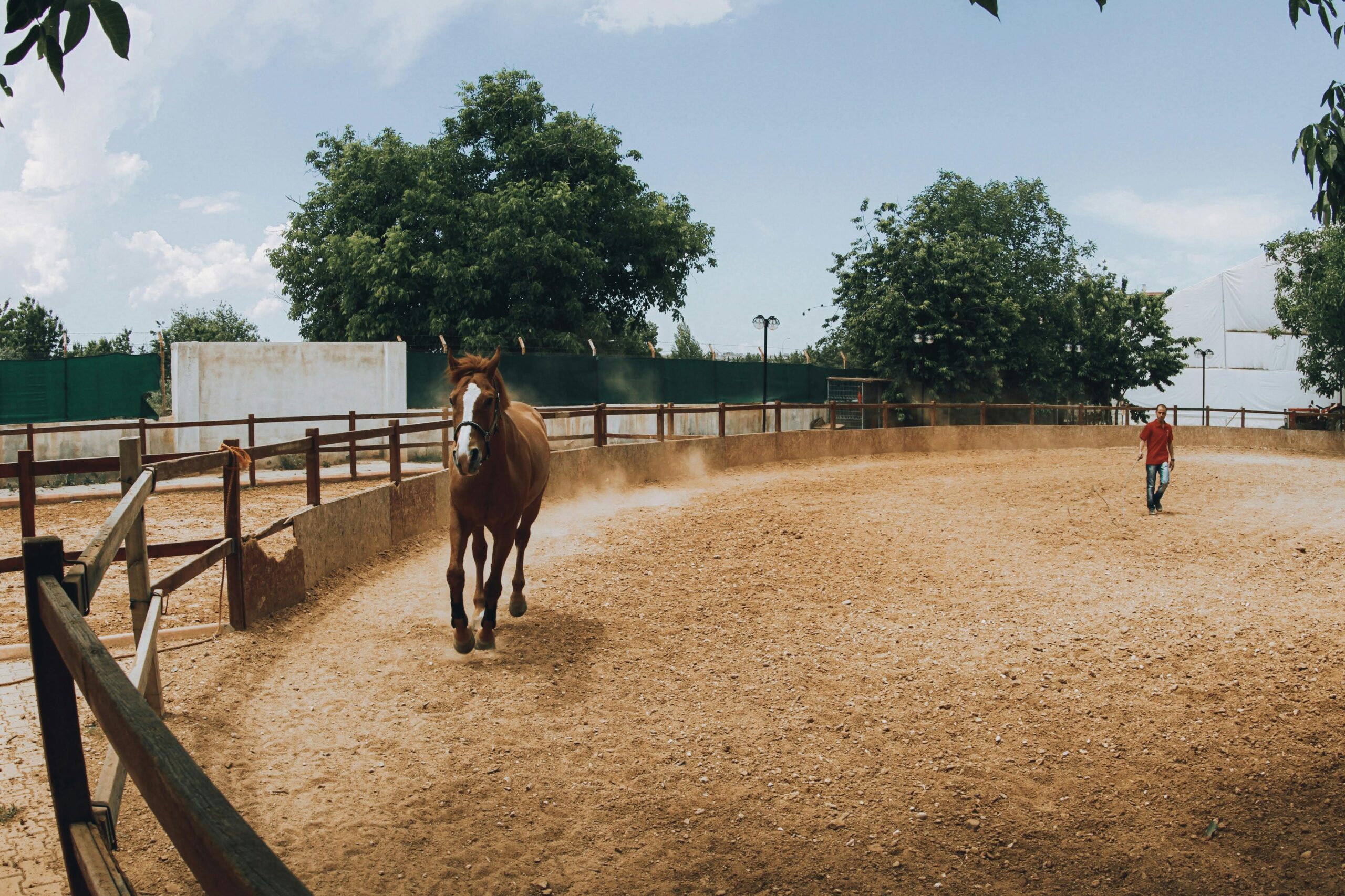
Life in a boarding barn is more than simply caring for horses—it is about sharing space, responsibilities, and often differing philosophies with other horse owners. From feeding routines to training methods, each individual brings their own perspective, shaped by experience, discipline, and personal values. Navigating these shared environments requires not only horsemanship skills but also communication, respect, and adaptability to maintain harmony for both horses and humans.
What Are Boarding Barn Dynamics?
Boarding barn dynamics refer to the social, practical, and management interactions that occur when multiple horse owners and caretakers share a single facility. These dynamics are influenced by:
Differences in horse care practices
Barn rules and management styles
Communication between boarders and staff
Shared use of facilities such as arenas, tack rooms, and turnout areas
A well-balanced barn environment fosters cooperation, while poor dynamics can lead to misunderstandings and तनाव (tension).
Key Areas of Shared Experience
1. Horse Care Philosophies
One of the most common sources of difference lies in how individuals care for their horses. Variations may include:
Feeding routines (grain-heavy vs. forage-based diets)
Blanketing practices
Turnout preferences (full-time vs. limited turnout)
Use of supplements or alternative therapies
While each approach may be valid, conflicts can arise when practices are questioned or compared.
2. Training and Riding Approaches
Boarders often come from diverse equestrian backgrounds, such as:
Dressage, jumping, western riding, or natural horsemanship
Competitive vs. recreational riding goals
Varying beliefs about training tools and techniques
Respecting these differences is essential, especially in shared riding spaces like arenas.
3. Barn Rules and Management
Every boarding facility operates under a set of guidelines designed to ensure safety and efficiency. These may cover:
Feeding schedules and approved feed types
Arena etiquette and scheduling
Guest policies
Cleaning responsibilities
Clear and consistently enforced rules help minimize conflict and create structure.
4. Shared Spaces and Resources
Common areas require cooperation and courtesy. These include:
Arenas and round pens
Wash racks and grooming areas
Tack rooms and storage spaces
Simple habits—like cleaning up after use or respecting time limits—can significantly improve the shared experience.
Benefits of a Positive Boarding Environment
A healthy barn dynamic offers several advantages:
Stronger sense of community and support
Opportunities to learn from other riders
Safer environment for horses and people
Reduced stress and conflict
When individuals work together, the barn becomes more than a facility—it becomes a supportive network. For a closer look at how social contact affects stabled horses, read our guide to social contact for stabled horses.
Challenges in Boarding Barn Life
Despite the benefits, challenges are inevitable:
Differences in opinion about horse welfare
Miscommunication or lack of communication
Competition or comparison among riders
Unequal use or misuse of shared resources
Addressing these issues early can prevent escalation and long-term friction.
Practical Strategies for Navigating Shared Spaces
Communication
Open, respectful dialogue is key. Ask questions instead of making assumptions, and express concerns calmly and constructively.
Respect Boundaries
Avoid interfering with another person’s horse unless invited. Each owner has the right to make decisions for their own animal.
Follow Barn Etiquette
Adhering to established rules demonstrates respect for both management and fellow boarders.
Be Flexible
Shared environments require compromise. Being adaptable helps maintain a positive atmosphere.
Lead by Example
Practicing good habits—like cleaning up, being punctual, and showing kindness—encourages others to do the same.
When Conflicts Arise
Disagreements are natural, but how they are handled matters. Consider:
Addressing issues privately rather than publicly
Involving barn management when necessary
Focusing on solutions rather than blame
Maintaining professionalism helps preserve relationships and barn harmony.
Conclusion
Boarding barn life is a unique blend of independence and community. While differing philosophies and shared spaces can present challenges, they also offer opportunities for growth, learning, and connection. By fostering respect, communication, and cooperation, boarders can create an environment where both horses and humans thrive. Ultimately, successful navigation of boarding barn dynamics is not just about managing differences—it is about building a shared culture grounded in mutual understanding and care.
Related Guides
If you found this helpful, these related articles cover more ground:
- The Digital Barn: Managing Horses with Apps, Data, and Automation
- Tomorrow’s Horse Barn: Sustainable Design, Smart Systems, and Welfare-First Planning (2026 Guide)
- Barn Zen: Practical Environmental Design for Horse and Human Well-Being (2026 Guide)
- Beyond the Barn Aisle: Diverse Career Paths in the Equine Industry
- Breathing Easy: How to Improve Horse Barn Air Quality (2026 Guide)

Written by
Phoebe writes about horse care, health, and behavior for Equestrian Space, blending hands-on stable experience with up-to-date veterinary guidance.