- Your source for stall mats, rubber arena footing, arena harrows and arena dust control.
Introduction
A horse barn is more than a shelter—it is a shared living environment where both horses and humans spend many hours each day. The design of this space can significantly influence stress levels, mood, and overall well-being. Thoughtful environmental design, sometimes referred to as “Barn Zen,” focuses on creating calm, safe, and harmonious spaces that support both equine welfare and human mental health. By integrating natural elements, proper layout, and sensory-friendly features, barns can become places that promote relaxation, focus, and positive interactions.
What Is Barn Zen Design?
Barn Zen refers to the intentional design of stable environments that reduce stress and encourage calm behavior in both horses and people. It combines principles from animal welfare science, environmental psychology, and sustainable architecture.
Key elements often include:
Natural lighting and fresh air circulation
Quiet, uncluttered spaces
Safe and comfortable stall design
Natural materials and calming colors
Efficient organization for daily tasks
The goal is to create an environment where horses feel secure and handlers can work with clarity and peace of mind.
How Barn Design Influences Well-Being
1. Natural Light and Airflow
Access to sunlight and fresh air plays a major role in health and mood for both horses and humans.
| Feature | Benefit for Horses | Benefit for Humans |
|---|---|---|
| Large windows or open sides | Supports natural circadian rhythms | Improves mood and energy levels |
| Proper ventilation | Reduces respiratory problems | Keeps air fresh and comfortable |
| Skylights or translucent panels | Brightens stalls naturally | Reduces reliance on artificial lighting |
Natural light also helps regulate sleep cycles and reduces the damp, enclosed feeling that can increase stress in barn environments.
2. Quiet and Low-Stress Layouts
Noise and sudden disturbances can trigger anxiety in horses and create a stressful workplace for handlers.
Design strategies include:
Wide aisles that prevent crowding
Rubber flooring to reduce noise from hoof impacts
Strategic placement of equipment to minimize clutter
Separate areas for feeding, grooming, and storage
A calm layout helps horses remain relaxed and allows people to move safely and efficiently.
3. Access to Nature and Outdoor Views
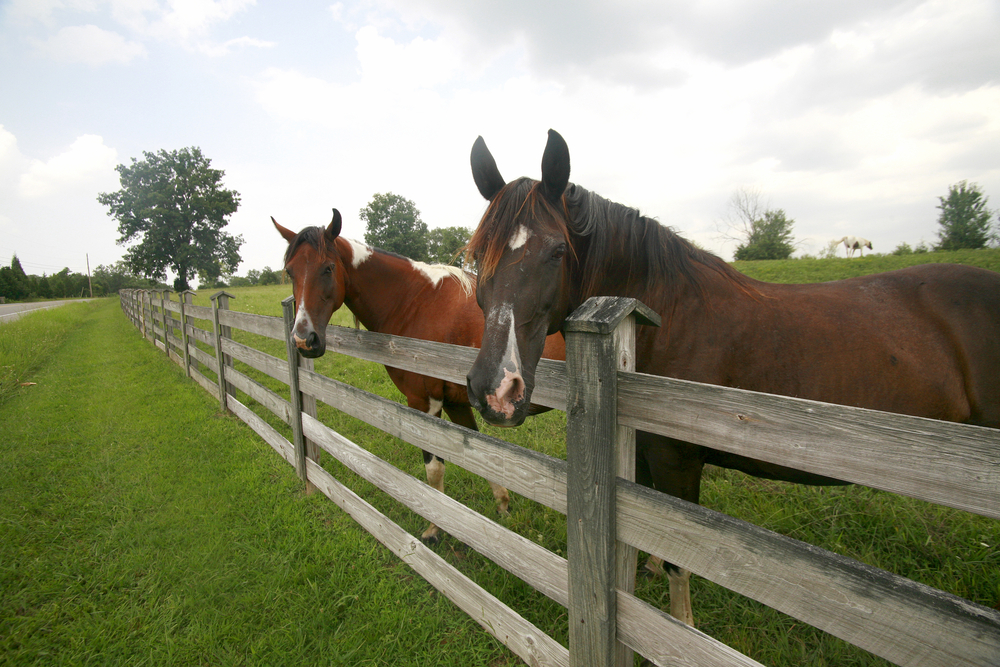
Horses are naturally grazing animals that thrive in open environments. Barns that connect to the outdoors help support their instincts.
Common design features include:
Stall windows facing pastures
Easy access to turnout paddocks
Outdoor wash racks and grooming spaces
Landscaping with grass, trees, and natural barriers
For humans, views of greenery and open space can reduce mental fatigue and improve emotional well-being.
4. Comfort and Safety in Stall Design
A horse’s stall should provide both security and comfort.
Important considerations include:
| Feature | Purpose |
|---|---|
| Adequate stall size | Allows natural movement and resting positions |
| Soft bedding materials | Supports joint health and comfort |
| Rounded edges and safe hardware | Prevents injuries |
| Consistent lighting | Reduces shadows that may startle horses |
A well-designed stall promotes calm behavior and lowers the risk of stress-related habits such as weaving or cribbing.
Benefits of Barn Zen Design
Reduced stress: Calm environments decrease anxiety and behavioral issues in horses.
Improved safety: Organized spaces and good visibility reduce accidents for handlers.
Better mental health: Natural lighting and peaceful surroundings help people feel more relaxed and focused.
Stronger horse-human connection: A quiet, comfortable environment encourages positive interaction and trust.
Limitations and Challenges
Budget constraints may limit extensive redesign or renovations.
Older barns may require structural modifications to improve airflow and lighting.
Design alone cannot replace proper training, horse management, and veterinary care.
Even small adjustments—such as improving ventilation or decluttering work areas—can still make a meaningful difference.
Practical Steps for Creating a Barn Zen Environment
Simple Improvements
Add windows or open ventilation panels where possible
Keep aisles clean and uncluttered
Use rubber mats to reduce noise and improve footing
Incorporate natural colors and wooden elements
Management Practices
Maintain consistent daily routines for feeding and turnout
Reduce loud equipment or sudden noises in the barn
Provide regular access to pasture and exercise
Planning New Barns
When designing a new facility, consider:
Orientation for maximum natural light
Proper drainage and airflow
Safe and spacious stall layouts
Integrated outdoor spaces for horses and people
Conclusion
Barn Zen design highlights the powerful connection between environment, animal welfare, and human mental health. A thoughtfully designed barn can become a peaceful space where horses feel secure and people can work with clarity and confidence. By prioritizing natural light, fresh air, safety, and organization, barn owners can create environments that nurture both equine well-being and human peace of mind—turning the barn into a place of balance, harmony, and shared calm.